By Austin Bergman
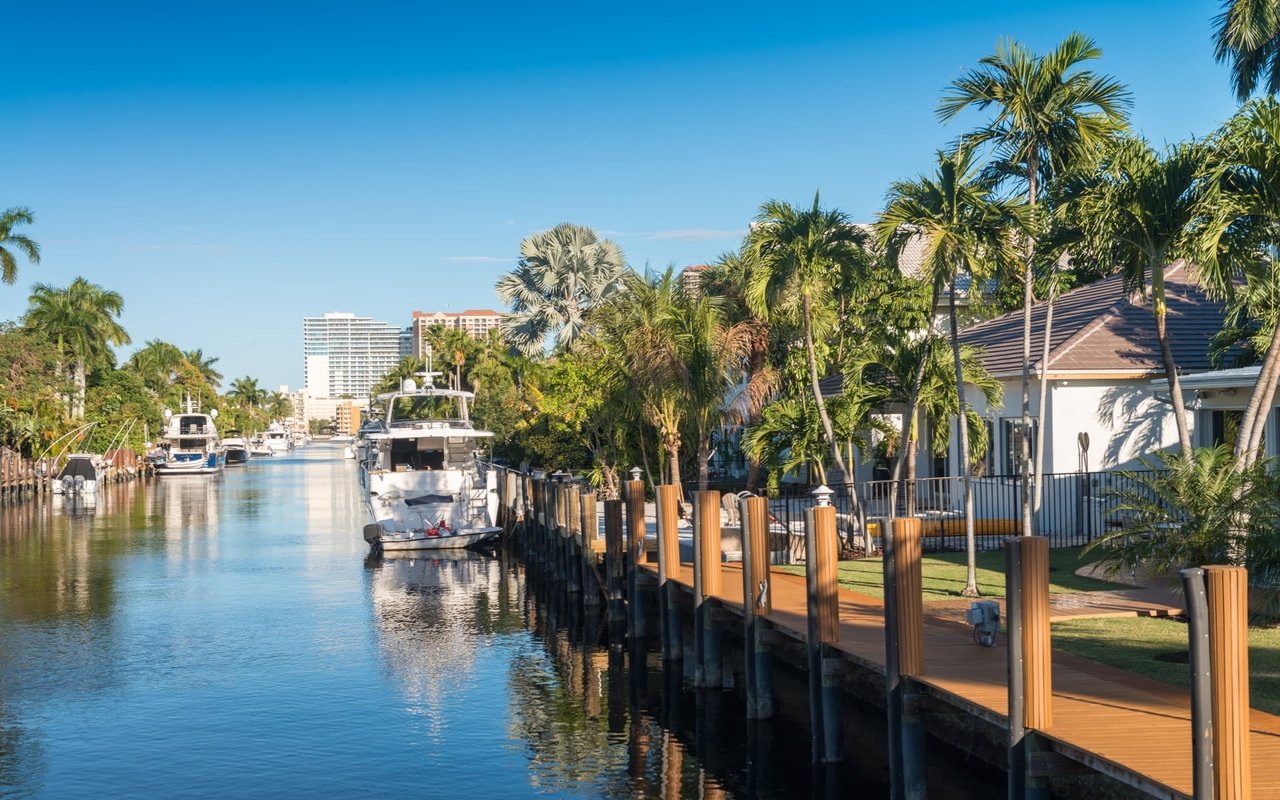
Buying a deepwater dockage property in South Florida means evaluating far more than whether a dock is visible in the listing photos. True deepwater access depends on fixed bridges, water depth, seawall condition, and legally secured dock rights, and getting any of these wrong can leave a buyer with a beautiful home their yacht can't use. I'm breaking down what to look for when buying a deepwater dockage property in South Florida.
Key Takeaways
- Fixed bridges cap a vessel's air draft, and "no fixed bridges" to the inlet is one of the single biggest value drivers in this market
- Water depth must be verified at the dock, along the canal route, and at the approach to open water, not just at the seawall
- A visible dock isn't the same as fully usable, deed-secured dockage, making riparian rights and permit history essential to confirm
- Seawall condition should always be evaluated by a licensed marine contractor, not a standard home inspector
Fixed Bridges, Air Draft, and Water Depth Along the Route
For larger vessels, the single most consequential question is whether any fixed bridges stand between the property and open water, and a deep dock at the seawall means little if the canal beyond it is too shallow to navigate. Both factors can eliminate an otherwise perfect home.
Why These Details Matter So Much
- Fixed bridges capping a vessel's air draft, meaning the tallest boat that can pass beneath at high tide
- Fort Lauderdale's 17th Street Causeway standing as one of the most consequential fixed-bridge constraints in the market
- Water depth at mean low tide verified directly at the dock and along the full canal route to the nearest inlet
- Canal width, turning room, and local knowledge of seasonal shoaling, often best confirmed with neighbors or nearby marinas
A home with a large dock but a shallow approach, or a low bridge on the route, can leave an expensive yacht effectively stranded at the property.
Confirm the Seawall and Dock Permit History
Seawall condition and permitting history deserve the same scrutiny as the home itself, since problems here can be both expensive and difficult to spot without the right expertise. A standard home inspection generally isn't sufficient for this evaluation.
What a Proper Inspection Should Cover
- A licensed marine contractor or dock inspector, rather than a general home inspector, evaluating submerged pilings and hardware
- Seawall tie-backs and structural condition checked at and below the waterline for hidden cracking or soil voids
- Full permit documentation confirming any dock, lift, or seawall work was properly permitted and closed out
- Whether an existing dock is included at all, since some properties have only a seawall, requiring a new dock built after purchase
Building a new dock from scratch typically takes three to six months and can cost $30,000 to well over $150,000, depending on length and materials.
Verify Riparian Rights and Legal Dockage
The most expensive mistake buyers make in this niche is assuming a visible dock automatically comes with fully secured legal rights to use it. Riparian rights and dock easements should be confirmed in the deed and title record before assigning premium value to any waterfront setup.
What to Verify Legally
- Riparian rights clearly documented in the deed, confirming the property's legal right to water access and dockage
- Any easements or shared dock arrangements that could limit exclusive use of the waterfront
- Maintenance obligations tied to a seawall or dock that may be shared with a neighboring property
- A title attorney experienced in waterfront closings to review these details before you're under contract
Separating the legal right to dock from the physical presence of a dock is essential before paying a premium for waterfront access.
Know Which Neighborhoods Deliver True Deepwater Access
Certain South Florida neighborhoods have built reputations specifically around genuine deepwater, bridge-free access, making them a natural starting point for serious yacht owners. Understanding these distinctions saves real time in a search.
Neighborhoods Worth Knowing
- Seven Isles, offering deep-water canals, wide lots, and no bridge restrictions, a top choice for mega yacht owners
- Las Olas Isles, minutes from downtown Fort Lauderdale with deep-water dockage and no fixed bridge restrictions in many locations
- Rio Vista, slightly shallower than Seven Isles but well-positioned near Las Olas Boulevard with a strong luxury market
- Lighthouse Point, just north of Fort Lauderdale, offering deep-water canals and direct Hillsboro Inlet access
Each area offers a genuinely different combination of depth, bridge access, and lifestyle worth weighing against your specific vessel.
FAQs
What does "no fixed bridges" mean for a waterfront property?
It means a vessel can travel from the dock to open water without a bridge limiting its air draft, which is especially important for yachts with towers or tall superstructures.
Is a visible dock the same as legally secured dockage?
No. Buyers should verify riparian rights, easements, and maintenance obligations in the deed and title record before assuming a dock comes with full, exclusive usage rights.
Who should inspect a seawall before I buy a waterfront property?
A licensed marine contractor or dock inspector, not a standard home inspector, since they're trained to evaluate submerged pilings, tie-backs, and structural condition.
Ready to Find Your Deepwater Dockage Property in South Florida?
I'm renowned for my ability to successfully market and sell Fort Lauderdale's exclusive offerings to the world's wealthy, sophisticated, and discerning buyers. My drive to succeed comes from years of unparalleled personal attention to the high-end real estate industry, researching market trends and effective methods to promote and sell properties locally, nationally, and internationally.
There is no compromise to the level of excellence I provide my clients, and I'll be pleased to assist you with the highest caliber of professionalism, integrity, and commitment. If a true deepwater dockage property is what you're after, I'd love to help you find it.