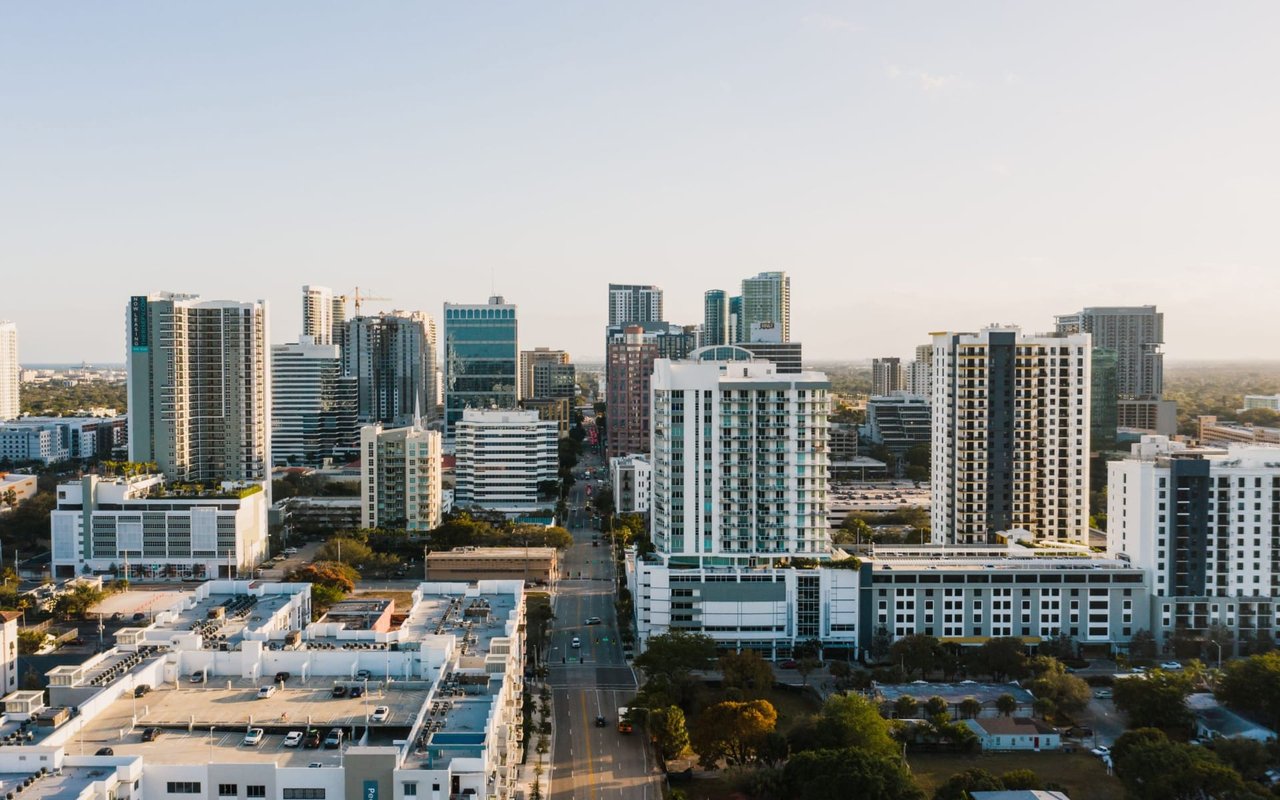
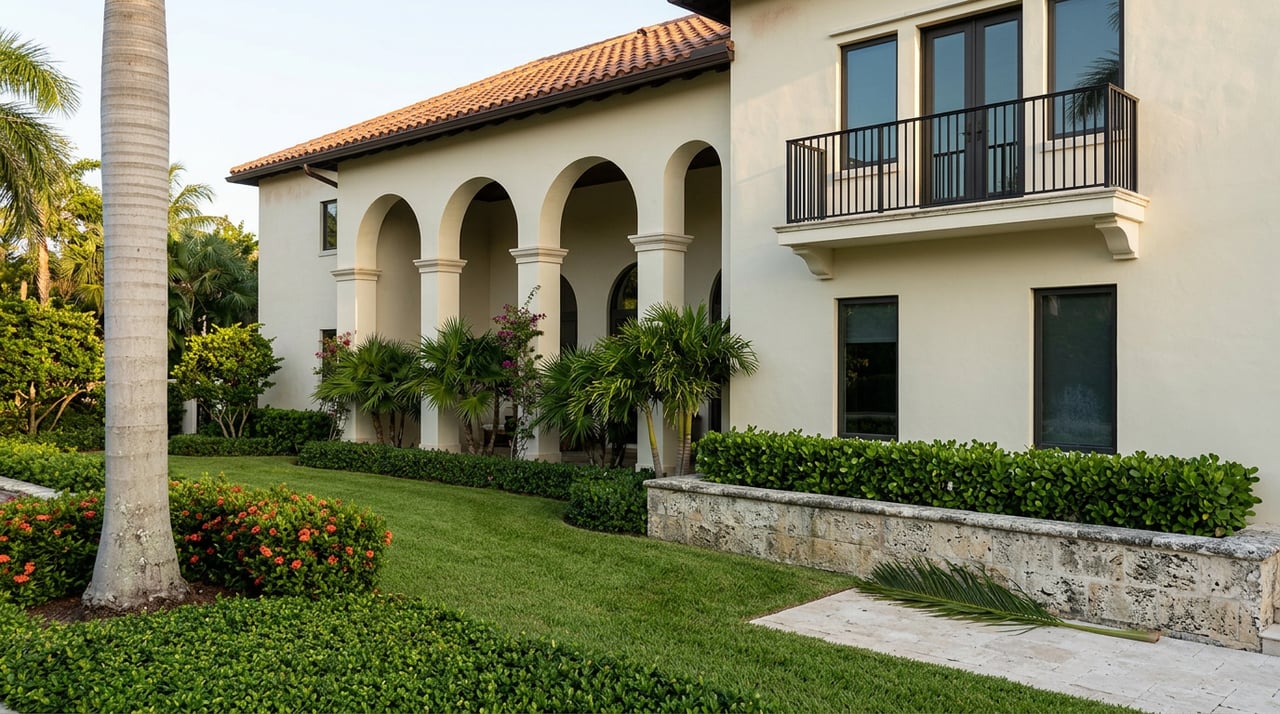
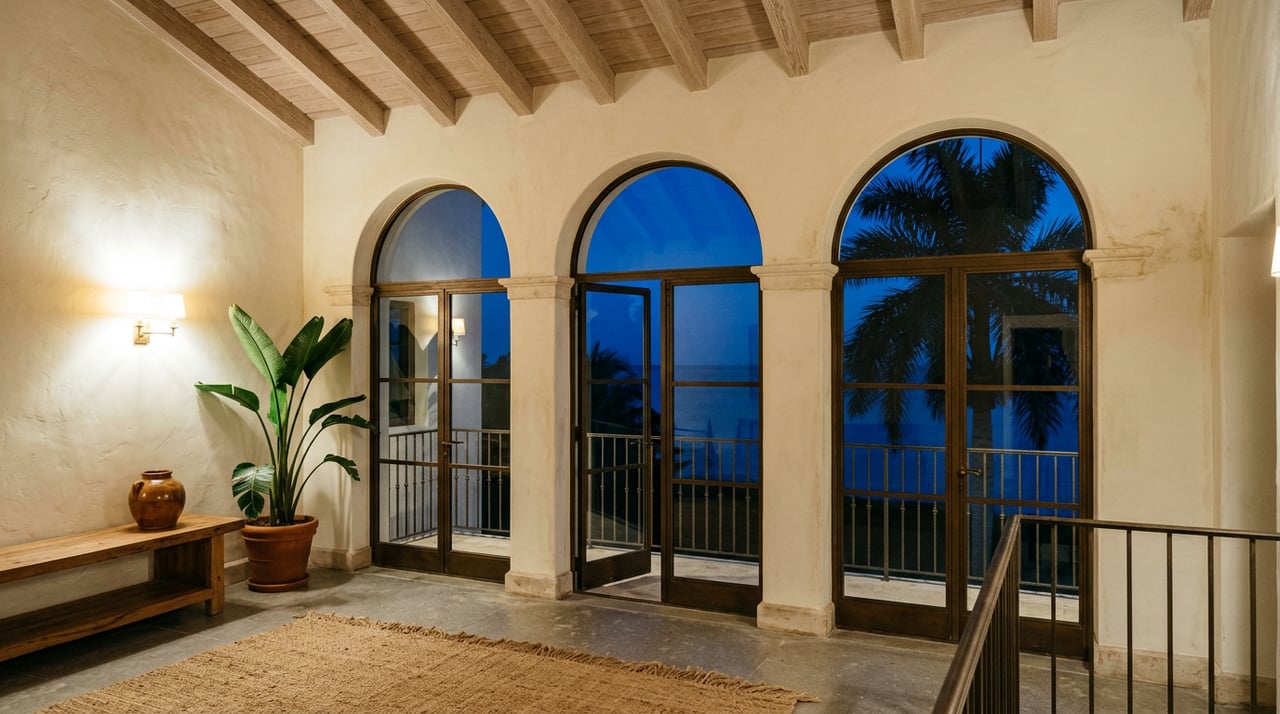
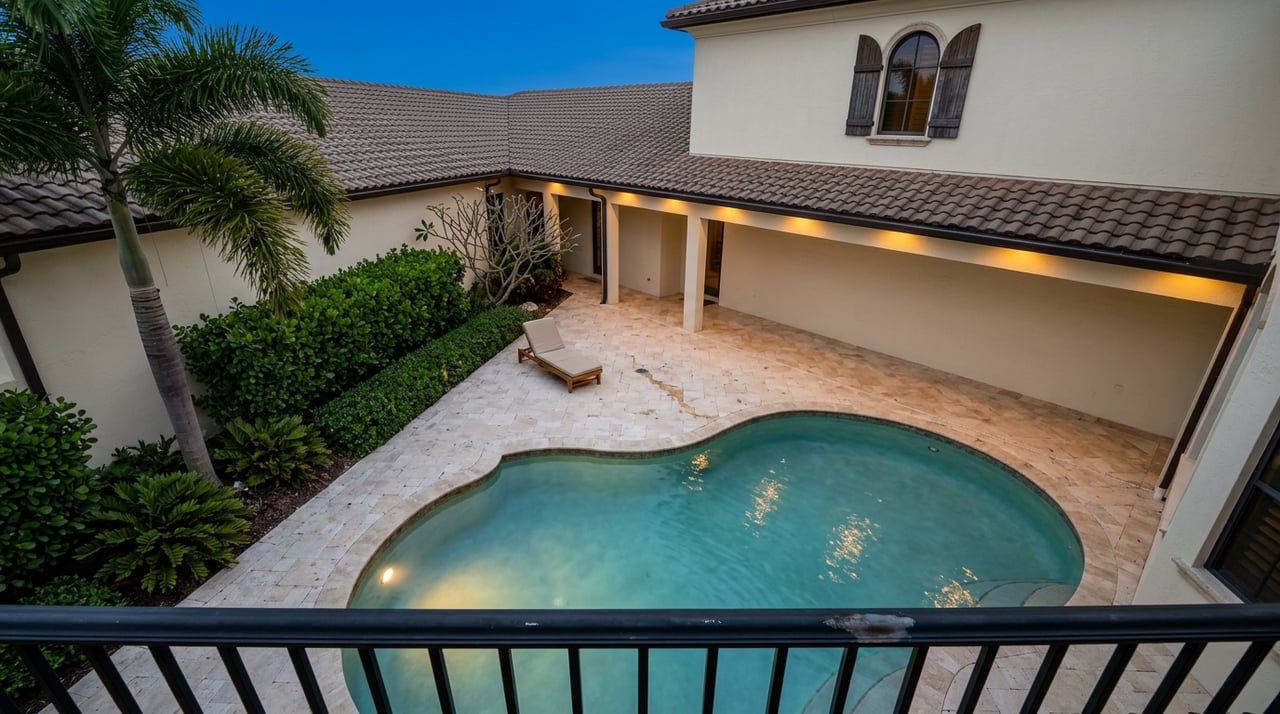
Fort Lauderdale's luxury market just turned in one of its strongest opening quarters in years. By the end of the first quarter of 2026, the city had already matched its entire prior-year tally of sales above $20 million. A 1.4-acre waterfront lot at 1818 Southeast 10th Street sold for $42.7 million in March, bought by yacht equipment and technology founder Ben Koppenhoefer from seller Seth Cohen. WeatherTech founder David MacNeil closed on a $34 million waterfront mansion in April and another for $26 million the following month, according to reporting by The Real Deal.
At the same time, nearly a third of luxury single-family sellers in Fort Lauderdale cut their asking price at least once during that same quarter. The average gap between what those homes listed for and what they actually sold for ran 29 percent. Condominiums, by comparison, closed that gap at 17 percent.
Those two facts should not sit comfortably next to each other. A market posting its best trophy-sale quarter in years should not also be a market where nearly a third of sellers misjudge their own asking price by that wide a margin. The gap is not a sign of weak demand. It is a sign that a specific kind of seller keeps pricing to a year that already ended, and the buyers who understand which year that is have real leverage right now.
Two Numbers That Should Not Coexist
The 29 percent figure comes from Q1 2026 sales data on Fort Lauderdale's luxury tier. Single-family homes averaged that gap between list and final sale price, while condominiums averaged 17 percent. Roughly 32 percent of single-family listings and 35 percent of condo listings had already taken at least one price reduction by the time they closed or went under contract.
If Fort Lauderdale's luxury demand were soft, a wide list-to-sale gap would make sense on its own. Sellers overreach, buyers push back, everything settles low. But the same quarter that produced the 29 percent gap also produced the $42.7 million lot sale, the two MacNeil transactions, and a pace of $20 million-plus deals that matched the whole of 2025 in three months. Demand at the top of the market is not the problem. Pricing discipline in the middle of it is.
Why Sellers Keep Pricing to 2021
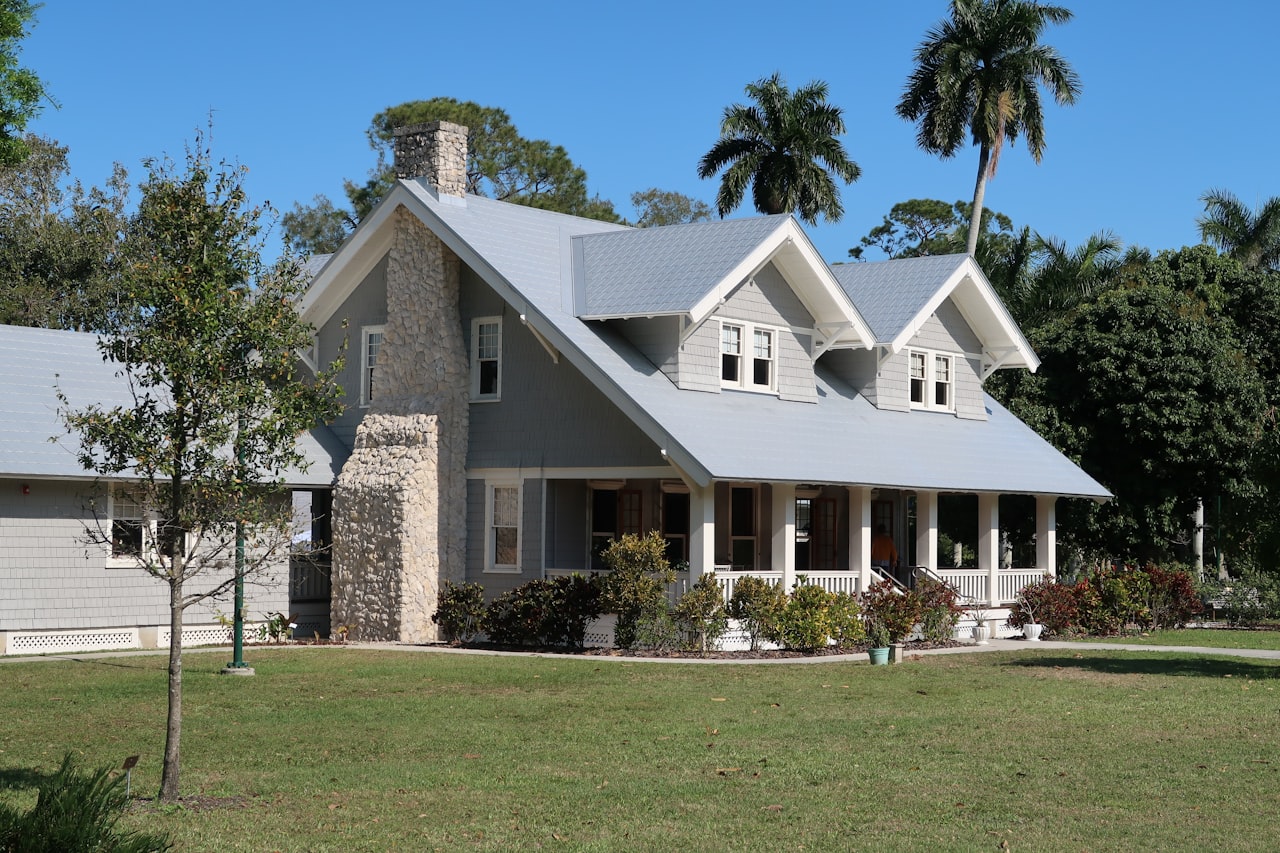
Part of the answer sits in what is actually changing hands. Seventy percent of closed single-family luxury sales in that same Q1 2026 window involved homes built before 2015. Most of what is trading is not new construction. It is older stock bought for land value, tear-down potential, or renovation upside, sitting in the same zip codes as the trophy sales making headlines.
That proximity matters. When a $34 million MacNeil sale or a $42.7 million lot deal closes two streets over, it becomes the reference point a seller reaches for, even when their own 1990s four-bedroom on a standard canal lot has nothing in common with it beyond a shared zip code. Douglas Elliman's most recent published luxury single-family breakout for Fort Lauderdale, covering the third quarter of 2025, put the typical marketing time for homes priced above $2.4 million at 154 days. That is not a market moving fast enough to reward optimistic pricing. It is a market that takes five months to teach a seller their comp was wrong.
Condominiums show what happens when pricing tracks reality instead. In that same Q1 2026 window, condos priced to their building's recent price-per-square-foot data sold 53 percent faster than the broader condo pool, with an average negotiated discount of only 8.75 percent. The lesson is not that condos are a better asset. It is that a seller working from a tight, current comp set closes faster and gives up less than a seller extrapolating off a headline sale three tax brackets above their own.
What This Looks Like Inside One Neighborhood
Rio Vista makes the mechanism easy to see because the neighborhood publishes enough transaction detail to compare the story a seller tells themselves against the one buyers are actually writing checks for.
As of February 2026, the median list price for a Rio Vista home sat near $2.9 million. But the median sale price across the trailing 12 months landed closer to $2.3 million, down 18 percent from the year before, with homes taking an average of 107 days to sell. A separate look at the neighborhood's closed sales over the prior year showed an average asking price of $2,329,454 against an average selling price of $2,159,089, a 93 percent list-to-sell ratio at roughly $734 a square foot, with deals taking about 119 days to close.
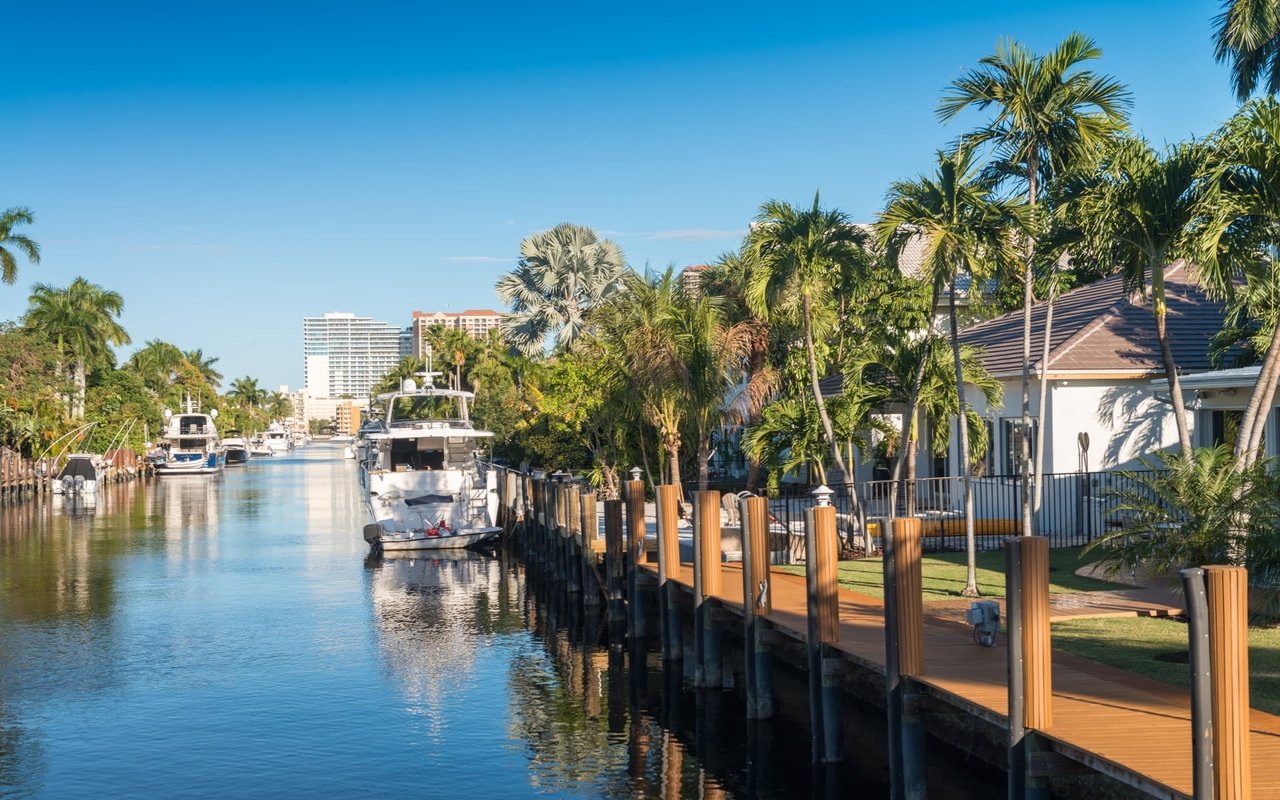
Both readings point to the same gap. The number a seller sees when they pull up their own home's estimated value has almost nothing to do with the number the market is willing to sign for right now. Rio Vista is not underperforming. It is a neighborhood where deep-water dockage without a fixed bridge, proximity to Las Olas Boulevard, and 1920s architectural bones still command real premiums, but where the premium a seller imagines and the premium a buyer will pay have drifted apart by roughly half a million dollars on a typical listing.
The Line That Actually Predicts the Gap
The 29 percent figure is a citywide average, and averages hide the split that matters. Inside that same Q1 2026 data, well-positioned properties, meaning renovated homes, direct waterfront lots, and newer construction, continued to trade close to asking. Older or over-leveraged inventory absorbed nearly all of the discount.
A handful of characteristics tend to sort a listing into one side of that split or the other:
- Bridge access. Homes in Rio Vista, Las Olas Isles, and Seven Isles that offer deep-water dockage with no fixed bridge between the house and the ocean hold pricing power that landlocked-canal comparables do not.
- Renovation status. A gut renovation completed in the last five years is not competing against the same buyer pool as a home last updated before the last hurricane season with a named storm that mattered.
- Redevelopment value. Coral Ridge and Las Olas Isles continue to see steady transaction activity specifically because buyers are pricing the land and the water access, not the existing structure, which changes what a realistic list price looks like from the start.
- Direct waterfront versus proximity to it. A 2022 Broward waterways analysis found single-family homes within a mile of the Intracoastal carrying roughly double the countywide average, with certain tributary frontage adding a premium as high as 47 percent. That structural gap between "near the water" and "on the water" is the same one still showing up in the 2026 sales data above.
A listing that checks two or three of those boxes has real justification for pricing near the top of its comp range. A listing that checks none of them is the one absorbing most of that 29 percent.
What This Means If You Are Selling
Pricing to the trophy sale down the street instead of the trailing comps in your specific canal, block, or bridge zone is what produces a 154-day listing and two or three rounds of reductions instead of one clean number. That is not a market punishing your home. It is a market waiting for the price to catch up to the year it is actually in.
The demand has not gone anywhere. International buyers remain active at scale, with a Miami Realtors global buyer survey covering the eighteen months through mid-2025 finding that international buyers accounted for 49 percent of new construction, pre-construction, and conversion sales across South Florida, with that share reaching 83 percent in southeast Broward specifically. A January 2026 update from the same association reported buyers from 73 countries active in the market. That buyer pool rewards a correctly priced listing quickly. It has no patience for a listing anchored to a comp that belonged to a different property entirely.
What This Means If You Are Buying
A listing sitting past 120 days in Rio Vista or Las Olas Isles is not automatically a home with a problem. It may simply be a seller still working through the gap between what their home was worth in 2021 and what it is worth now. That gap is your negotiating room, and the trailing 12-month closed median for that specific block, not the live list-price median on a portal, is the number worth pulling before you write an offer.
The opposite signal matters just as much. A home with true no-fixed-bridge deep-water access that is moving in a matter of weeks is telling you it was priced correctly from day one, and there is very little room left to work with. Knowing which of those two situations you are looking at before you tour the property saves you from either overpaying on a correctly priced trophy or underbidding on a stale one and losing it to someone who did the comp work first.
Reading that gap correctly, block by block and bridge by bridge, is the work. If you are weighing a purchase or a sale anywhere from Rio Vista to Coral Ridge this year, Austin Bergman can walk through the actual trailing comps for your specific address, not the citywide average, and help you decide what your next move should look like. Schedule a confidential consultation to start that conversation.