On a Tuesday evening in Snyder Park, with a jet lifting off from Fort Lauderdale-Hollywood International a few hundred yards away, every one of the 43 courts at The Fort is in play. Paddles pop under string lights. The covered courts, useful on a night when South Florida's summer sky can't decide what it wants to do, are just as loud as the open ones. Nobody is waiting for a walk-up slot to open. There isn't one.
That scene is the whole story, and it is not the story most coverage of The Fort has told. The easy version says a big new pickleball complex opened near the airport and locals love it. The real version is stranger: Fort Lauderdale built the largest single concentration of pickleball courts most players have ever seen, in a market that was already saturated with demand, and the supply still didn't catch up.
The Math Nobody Expected
Forty-three courts, fourteen of them covered, anchored by what's been built and marketed as the world's first dedicated pickleball stadium, seating close to 2,000 spectators. On paper, that's not a neighborhood amenity. That's infrastructure sized for a market that was underserved on a much larger scale than a single city block of courts could ever fix.
The demand data backs that up. In player participation research the Association of Pickleball Players conducted in 2023, Miami-Fort Lauderdale ranked among the four largest pickleball markets in the country, with roughly 20 percent of all of Florida's pickleball players living in this metro area. That's a statewide share concentrated into one corner of the map, and it's the reason a facility this size made business sense in a park most people associate with the airport, not with sport.
Even so, operator Troy Boynton described a facility running at full capacity on an ordinary weeknight, saying every court's being utilized, with weekday evenings booked solid and Saturday and Sunday mornings just as packed. A complex built to solve scarcity became, within its first year, proof of how much scarcity there was to begin with. If you're a resident planning to show up and play, that's the piece of information that actually changes your evening: the assumption that a venue this size guarantees an open court doesn't hold.
Why Snyder Park, Not Las Olas
Part of why this facility exists where it does, rather than somewhere with more foot traffic, comes down to land. Snyder Park is 93 acres, tucked next to Fort Lauderdale-Hollywood International Airport, with room for a project this size in a way downtown or the beach corridor never could accommodate. The Fort was built through a public-private partnership with the City of Fort Lauderdale, and Mayor Dean Trantalis framed the deal in economic terms, saying it was creating over 100 jobs and significantly boosting the city's economy.
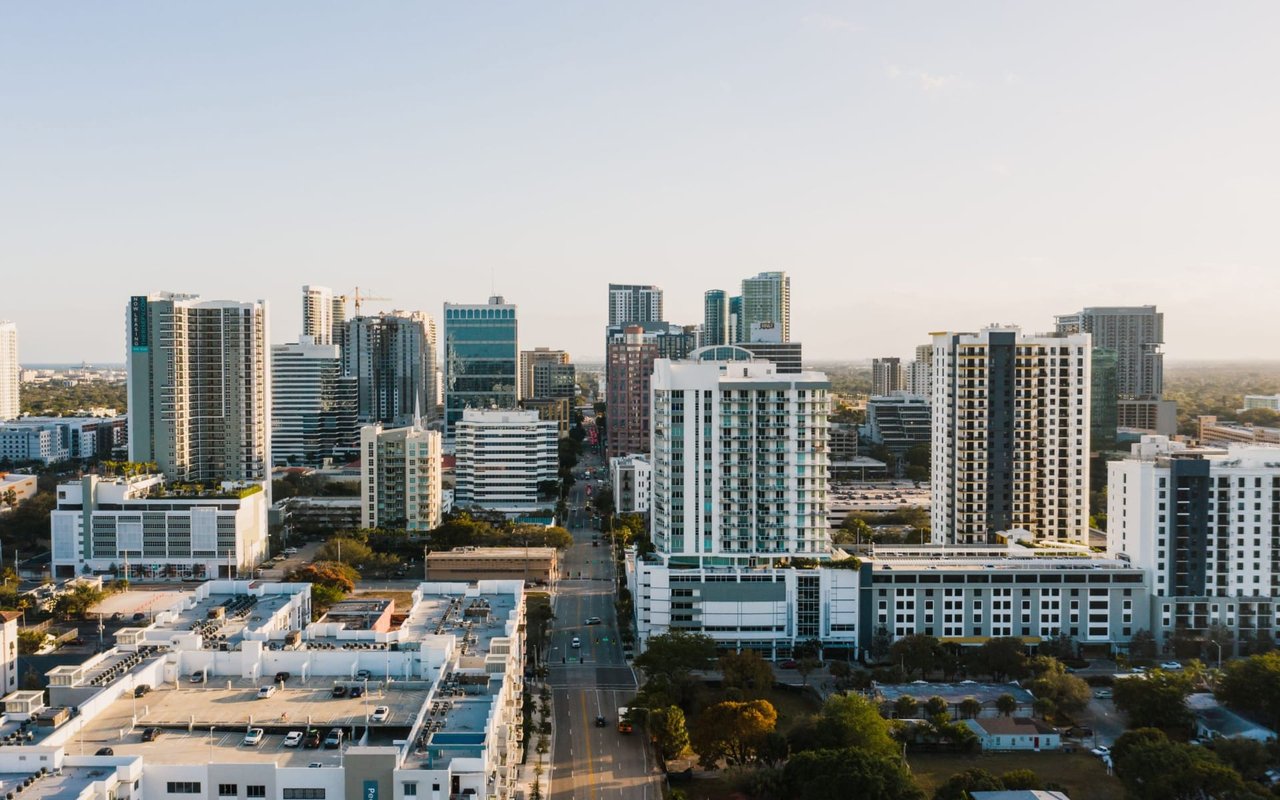
That location logic matters for anyone trying to fit The Fort into an evening. This isn't a spot you stumble onto while walking Las Olas or grabbing dinner near the Riverwalk. It's a destination you drive to, on the west side of the city, closer to the airport than to the beach. Once you're there, though, the complex is built to keep you for a while: a 2,500-square-foot pro shop, locker rooms, and a lakeside setting that doesn't feel like an industrial park despite the flight path overhead.
Getting On A Court When Every Court Is Booked
The practical question for anyone who actually wants to play is less "should I go" and more "how do I not waste the trip." A few things are worth knowing before you head over.
- Free introductory classes are available for newcomers who don't own a paddle or haven't played, and loaner paddles are provided on-site.
- Membership tiers at launch ranged from $69 to $139 a month, with the club selling close to 500 memberships within weeks of opening. Current pricing should be confirmed directly with the club, since a year and a half of demand has likely moved the numbers.
- The 14 covered courts are the real hedge during hurricane season. Rain doesn't cancel a reservation on those courts, which matters more here in late August than it would almost anywhere else in the country.
- If evenings and weekend mornings are consistently full, the practical opening is the window nobody's talking about: weekday mid-mornings and early afternoons. Even that gap is narrowing as the sport's local base keeps growing, so it's not a guarantee, just a better bet than a Saturday at 9 a.m.
None of this is exotic strategy. It's the same logic you'd apply to any high-demand amenity in a growing city: know the rhythm before you show up expecting an empty court.
The Food Is Not an Afterthought
The Florida Room, the restaurant inside The Fort, is run by Janine Booth and Jeff McInnis, a husband-and-wife team with Top Chef pedigree and a James Beard nomination between them. The menu runs from pizza, fried chicken, and ribs to short rib, built around scratch cooking that skips seed oils, which is a specific enough commitment that it says something about who they expect to keep coming back. This isn't a snack bar bolted onto a sports facility. It's a restaurant that happens to sit lakeside next to 43 courts, and treating it as a genuine dinner destination, not just a place to refuel after a match, is a better read on what the operators built.
What This Means If You Live Here
The Fort has also become the Association of Pickleball Players' official headquarters and training center, the first time the organization has established a permanent home anywhere. That's not a small detail. It means Fort Lauderdale isn't just hosting pickleball, it's positioned as the sport's institutional base, and the inaugural Humana APP Fort Lauderdale Open drew around 1,200 competitors when it debuted at the venue in January 2025. A headquarters designation tends to bring recurring events, which means residents should expect tournament weekends to bring extra traffic and parking pressure around Snyder Park going forward, even on courts you don't plan to use yourself.
The club has also said it will provide pickleball equipment and training to Fort Lauderdale public schools, which points toward the sport becoming part of the city's civic fabric rather than a private club phenomenon that stays contained to members. Whether that commitment scales the way it's been described is something worth watching over the next school year, but the intent signals a facility thinking beyond membership revenue.
The single fact worth carrying out of this piece is the contrast, not the amenity list. A city built the largest dedicated pickleball infrastructure most of its residents had ever seen, backed by real demand data showing this metro was already one of the country's biggest pickleball markets, and the courts filled up anyway. That's not a complaint about crowding. It's a more accurate read on how much appetite for this sport already existed here before The Fort gave it a place to go.
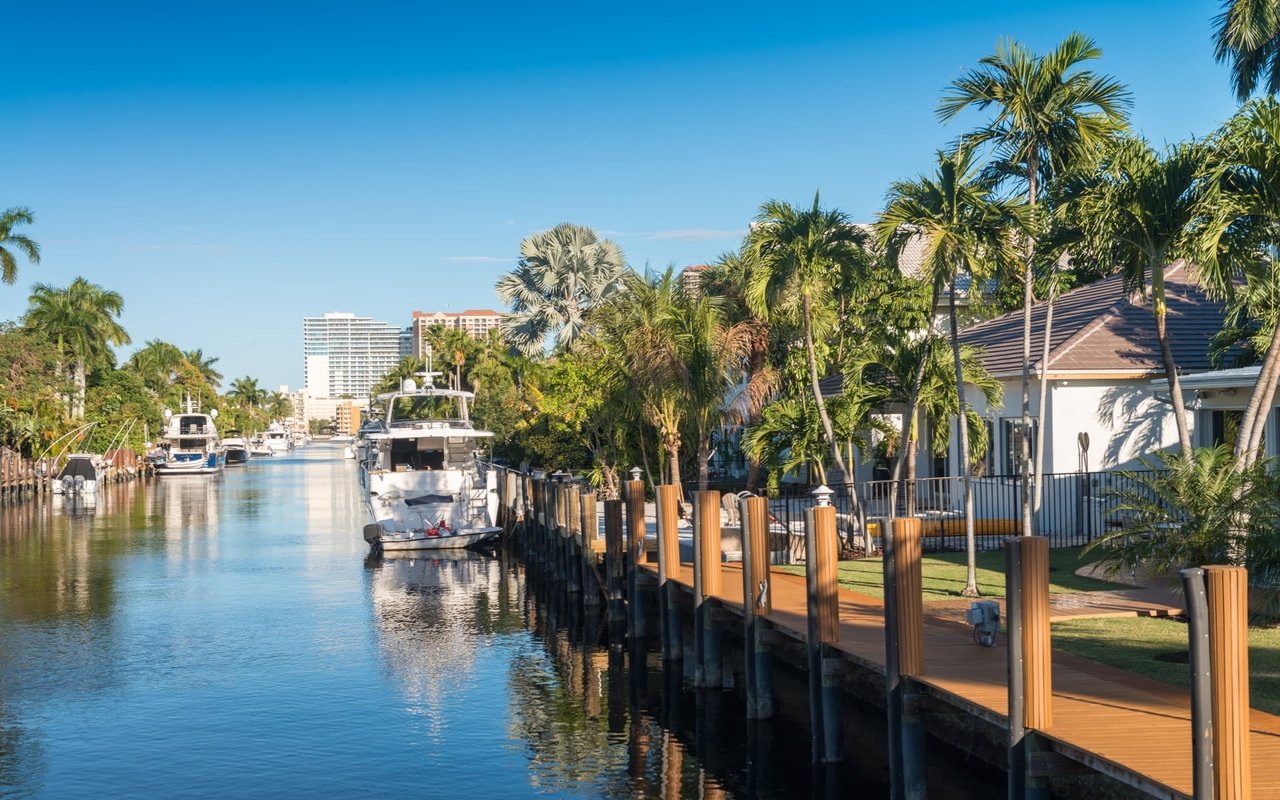
If you're weighing what life actually looks like in Fort Lauderdale, beyond the market reports and price trends, that's the kind of detail worth knowing. Austin Bergman tracks this city closely, from the waterfront listings to the small shifts in how residents actually spend their evenings, and is available if you'd like to schedule a confidential consultation about what living here really involves.