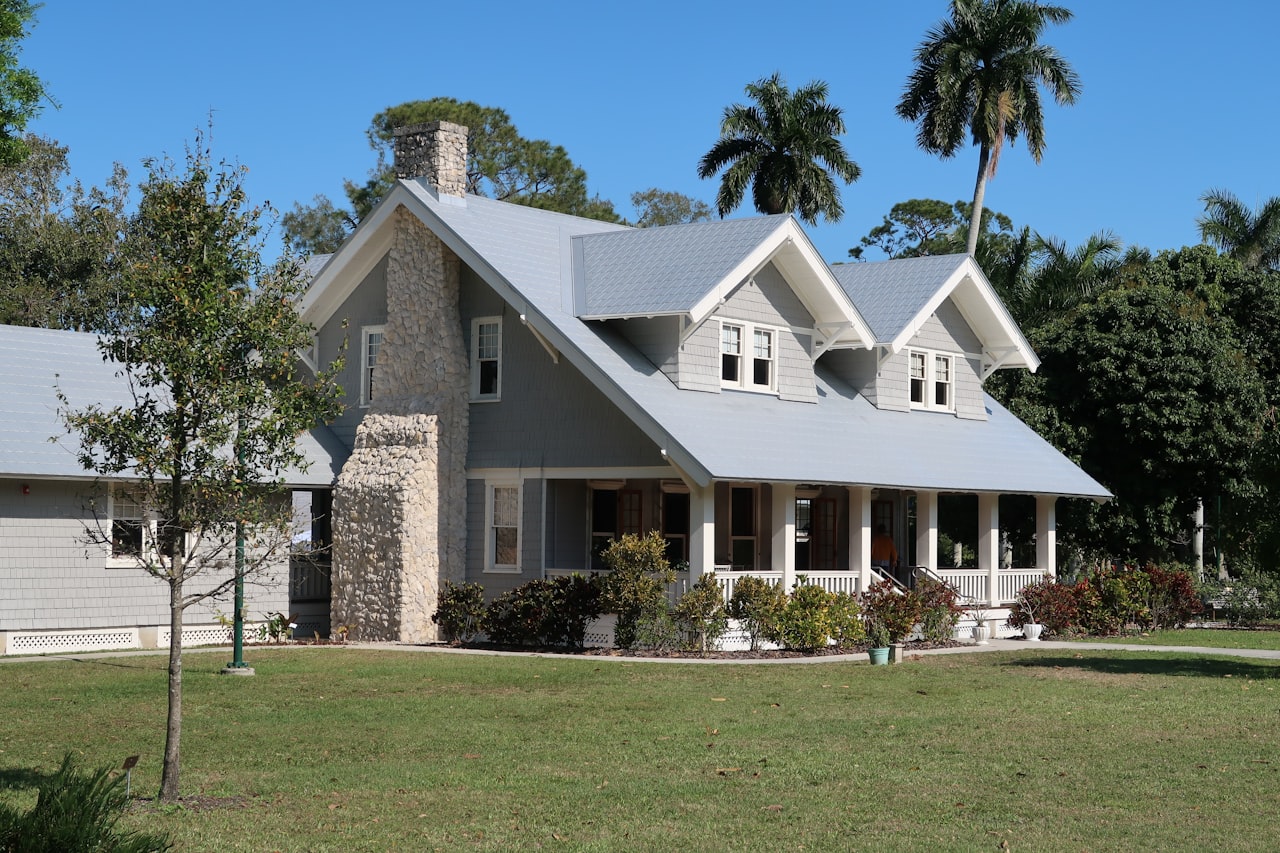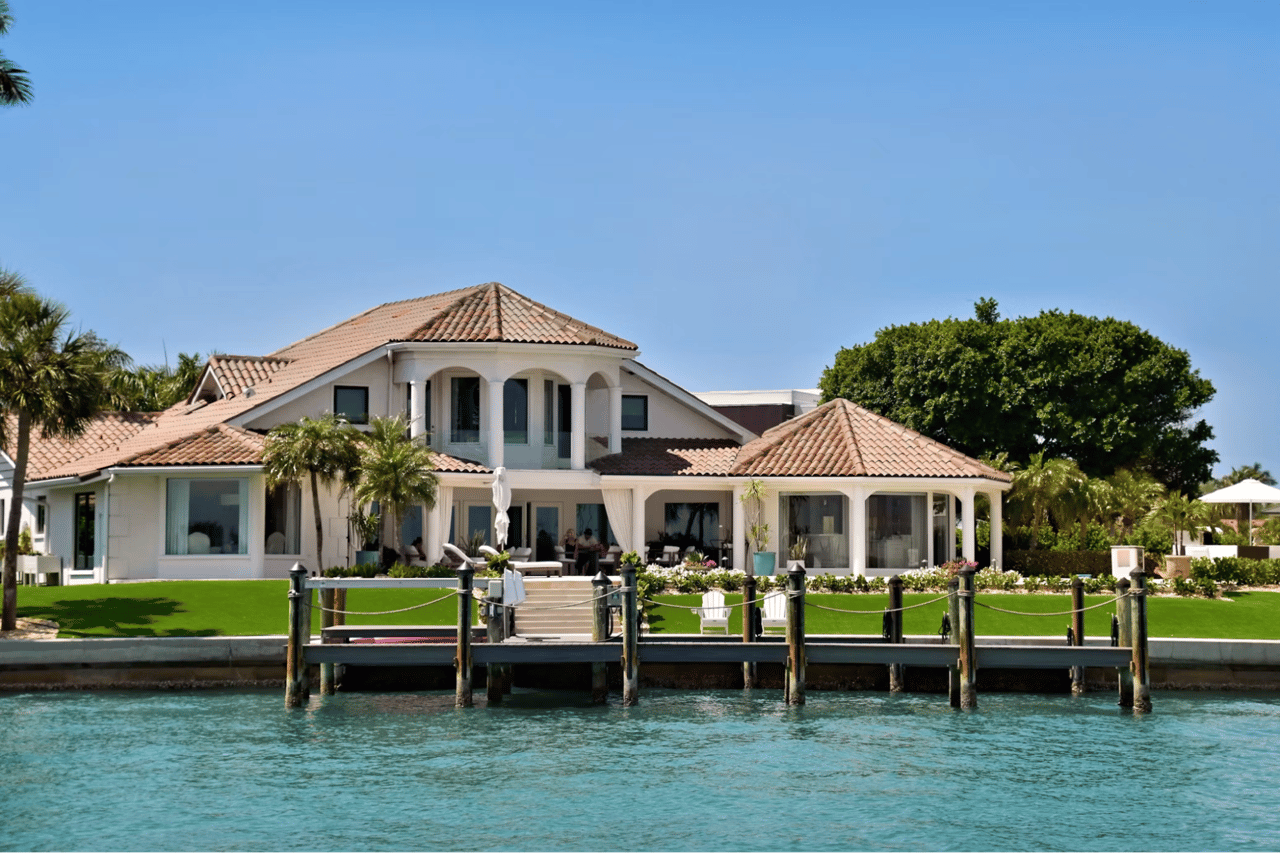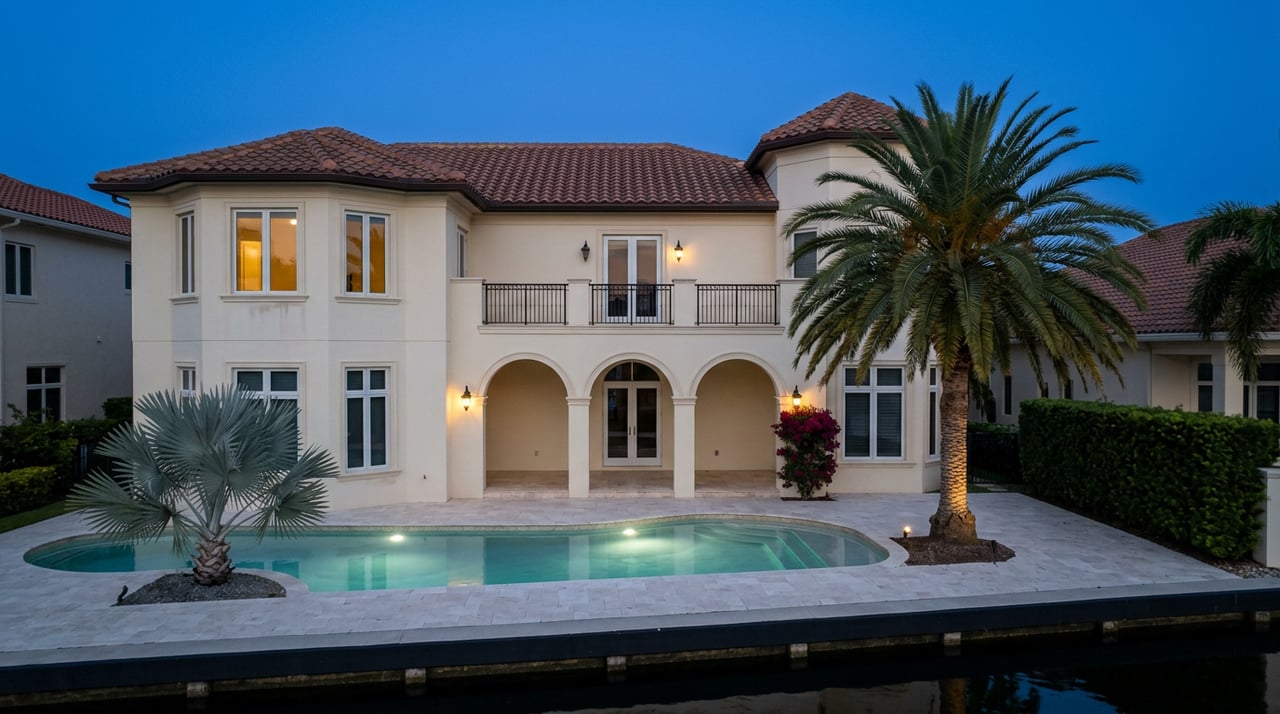
A 1962 concrete-block ranch on a deep canal lot in Lighthouse Point looks like the affordable way into waterfront living. A ground-up rebuild two doors down looks like the expensive one. Once you understand how the city's permitting and insurance rules actually work together, that logic runs backward more often than buyers expect. The renovation can be the costlier path, and the teardown the more predictable one, for reasons that have nothing to do with finishes or square footage.
The City Is Already Built. The Houses Are Not.
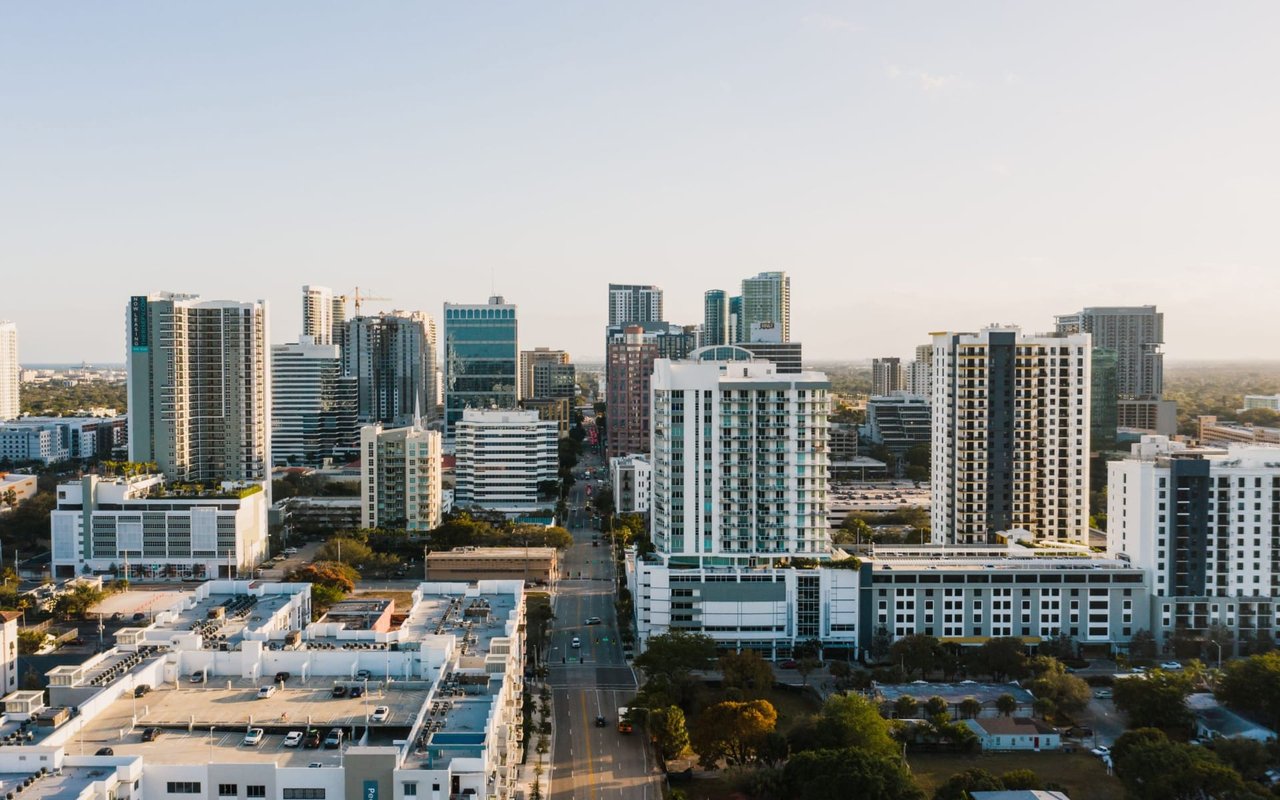
Lighthouse Point is more than 95 percent developed, and it has been for decades. Its major subdivisions, Venetian Isles, Coral Key Villas, and the neighboring canal blocks, were platted between 1957 and 1969, and roughly 80 percent of the city's residences are single-family homes strung along its canal network. There is no undeveloped land left to build on. Every new home here is a replacement home.
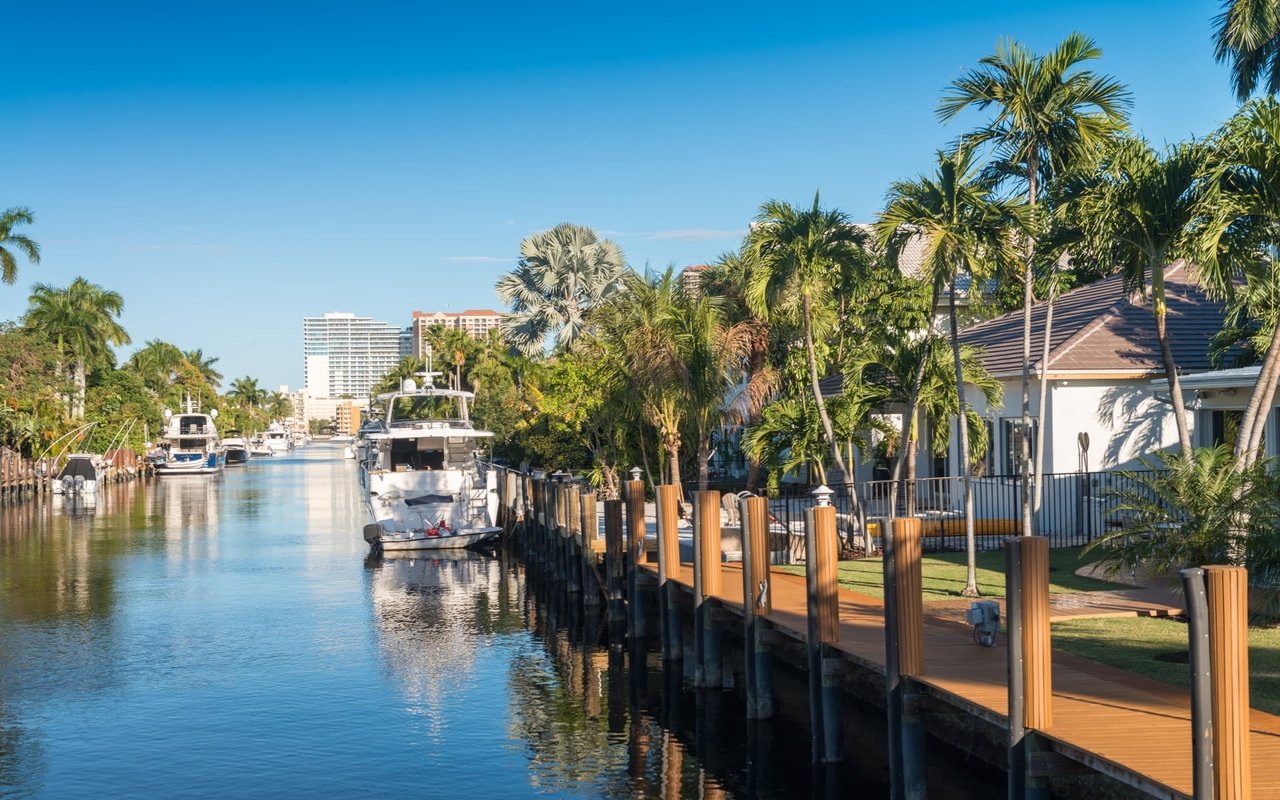
That single fact reshapes how you should think about a listing. When you see "new construction" in Lighthouse Point, you are almost always looking at a teardown, not a subdivision build. The highest concentration of that activity sits on the deep-water blocks: Venetian Isles, Coral Key Villas, the Lighthouse Drive corridor, and the NE 25th to 28th Avenue canal grid, all within a short run of the Hillsboro Inlet. In a city of roughly 10,000 people packed into about two square miles, these are the blocks where the lot has always been worth more than the house sitting on it.
The Line the City Draws at Fifty Percent
Here is the part most buyers never ask about until they are already under contract. Lighthouse Point's building framework treats a major renovation and a new build very differently, and the dividing line is scope, not intent.
On waterfront projects that add to or remodel 50 percent or more of a structure, the city requires two signed and sealed engineer letters covering seawall condition and support, plus drainage plans. Separately, if the cost of needed repairs exceeds 50 percent of the structure's value, the Building Official can trigger an unsafe-structures review, one that can push the project toward demolition rather than renovation.
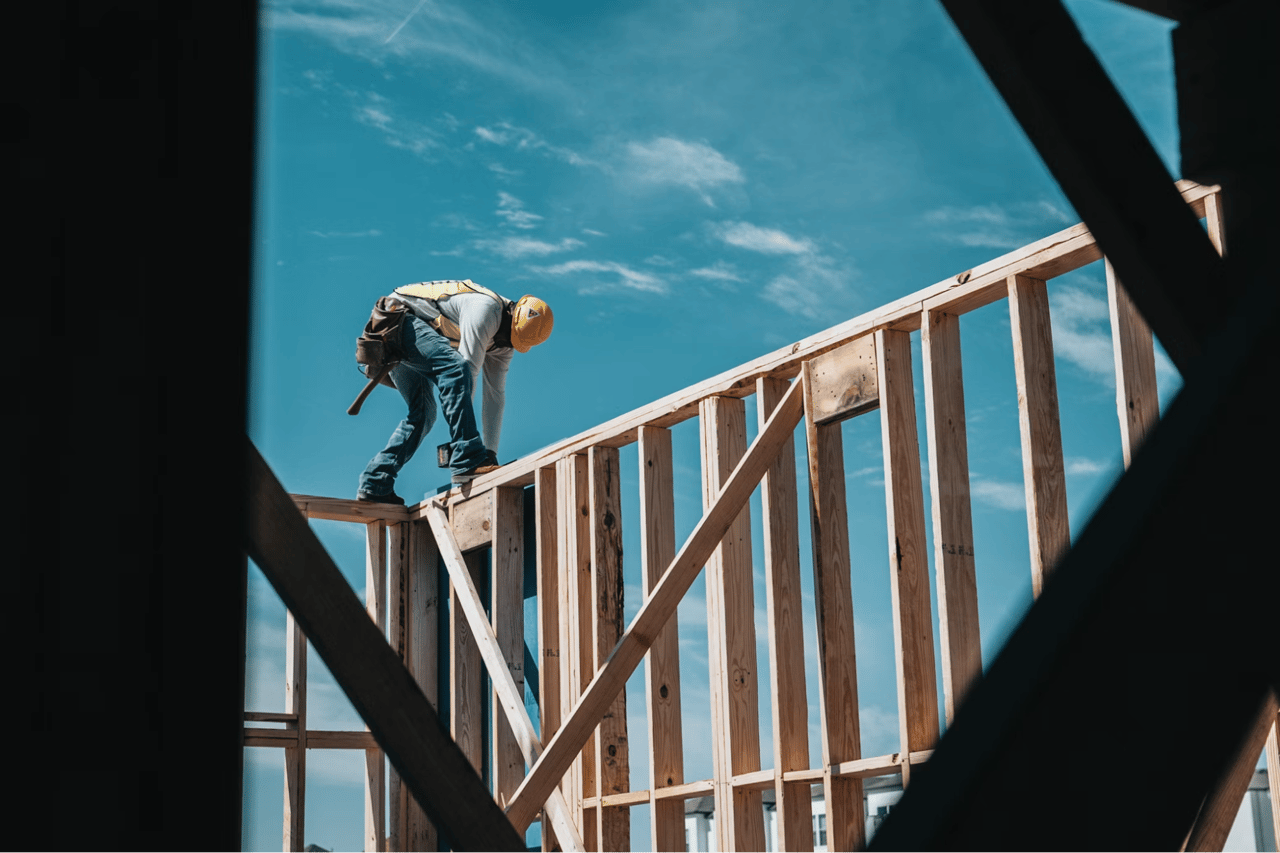
That threshold is easier to cross than it sounds. Local renovation contractors working this market price a whole-home gut renovation, new kitchen, baths, full envelope with impact glazing, mechanical rerun, at roughly $150 to $400 per square foot, with most complete projects landing between $400,000 and $800,000. On a modest 1960s CBS ranch whose structure alone, apart from the land, may be assessed well under a million dollars, a real kitchen-and-bath overhaul with a new envelope gets you most of the way to that 50 percent line without anyone setting out to build new.
What Crossing the Line Actually Costs
This is where the insurance math becomes the real story, not the permit paperwork.
Homeowners insurance in Lighthouse Point averages roughly $7,276 a year on a $150,000 home, $13,168 on a $300,000 home, and $18,914 on a $450,000 home, based on Florida rate filings for a standard masonry policy. Wind mitigation credits change those numbers substantially: they cut premiums by about 57 percent on older $150,000 homes, saving more than $6,500 a year, and by more than $10,000 a year on $300,000 homes. Newly constructed homes carry the lowest premiums of all, because they are built to current wind and flood standards from the first day they exist.
A home mid-renovation sits in an uncomfortable gap between those two positions. If you gut a kitchen, replace both bathrooms, redo the electrical, and reglaze the whole waterfront elevation, you have spent enough to trip the city's 50 percent review, but until you separately complete a wind mitigation inspection and retrofit, your policy still prices the home on its original 1960s wind rating. You end up paying renovation-level costs and code-review-level scrutiny while your insurer still treats the structure as though it were untouched. Waterfront homes in this corridor already carry both wind and flood exposure at once, which is why many owners hold homeowners, flood, and umbrella policies simultaneously. A partial renovation adds a fourth layer: the cost of upgrading without yet capturing the credit for having upgraded.
Renovate or Rebuild, Priced Side by Side
| Partial Renovation (crossing 50%) | Full Teardown and Rebuild | |
|---|---|---|
| Permitting trigger | Seawall engineer letters and drainage plans; possible unsafe-structures review | Ground-up new construction review from permit to certificate of occupancy |
| Insurance treatment | Priced on original-era wind rating until a separate mitigation inspection is completed | Qualifies for new-construction premium credits from day one |
| Typical project cost | $400,000 to $800,000 for a whole-home gut on a mid-size CBS ranch | Land-dependent; ground-up canal-front builds in this market are pricing well above $2 million all-in |
| What you're left holding | A home that cost like new but is insured like old, at least temporarily | A home priced and insured on modern terms as soon as it's finished |
The Market Is Already Sorting Itself This Way
As of September 9, 2026, roughly 169 properties were active across the Lighthouse Point MLS. Look closer and the segmentation shows up in the price data itself. The single-family median sale price reached $2,025,000 in February 2026, up 116 percent from a year earlier, while broader listing trackers that blend in condos and townhomes showed a median closer to $975,000 as of July 2026, down slightly from the prior month. That is not a data error. It reflects two different markets sitting inside the same zip code: a thin, high-value luxury canal-front segment being pulled up by rebuild activity, and a broader blended inventory, condos included, that keeps the overall median far lower. Pricing across the city still spans from the $700,000s for a non-waterfront single-family home, to $1.5 million and up for a waterfront teardown candidate, to $12 million or more for a direct Intracoastal estate.
The builder ecosystem backs up the pattern. Zahn Builders, a family-owned firm established in South Florida in 1958 and now run by third-generation builder Roger Zahn Jr., works waterfront additions and remodels throughout Broward's canal communities. Cannatelli Builders and Endless Life Design both describe their core Lighthouse Point work as ground-up rebuilds on canal lots rather than renovations, citing seawall assessment and flood-standard compliance as the first steps on nearly every project. On the capital side, 2026 brought a private unveiling of a newly built canal estate on NE 31st Avenue that doubled as a preview of a roughly $250 million planned redevelopment of the Lighthouse Point Yacht Club at the east end of the city. That is not the kind of investment institutions make on a neighborhood they expect to stay half-renovated.
Before You Write an Offer on an "As-Is Original"
- Get a contractor's written scope and cost estimate before assuming renovation is the cheaper path. If it lands anywhere near half the structure's assessed value, ask whether that triggers seawall engineer letters or a broader city review.
- Request two insurance quotes, not one: the as-is rate for the home today, and a projected rate after a wind mitigation inspection and any planned retrofits. The gap between those two numbers belongs in your offer math.
- If the lot sits on one of the deep canal blocks, Venetian Isles, Coral Key Villas, or the NE 25th to 28th Avenue corridor, have the seawall condition assessed before you go under contract. It is the one system the city will not let you defer once major work begins.
- Price the full rebuild scenario even if you plan to renovate. If the two numbers land close together, you want that information before demolition starts, not after.
The Real Question Isn't Taste
Whether an original Lighthouse Point ranch is worth saving is rarely a question of charm or bones. It is a question of where your specific renovation scope lands relative to a permitting line the city already drew, and what that means for what your insurer will charge you the day after closing. That math is answerable before you ever write an offer, but only if someone runs it against the actual house, not the neighborhood average.
If you are weighing an original canal home against a rebuild in Lighthouse Point and want that math run before you commit to either path, Austin Bergman offers a confidential consultation built around exactly this kind of property-specific analysis.