Every buyer under contract on a Las Olas high-rise or a New River tower asks for the milestone inspection first. That is the wrong document to lead with. The milestone tells you whether the building is standing. The Structural Integrity Reserve Study tells you what the next owner is going to pay to keep it standing, and in 2026 that number is finally being written down where a buyer can read it.
The thesis of this post is narrow: in Downtown Fort Lauderdale's three-story-plus condo stock, the buyer's leverage this year lives in the SIRS funding plan's catch-up line, not in the Phase 1 report. Everything below is evidence for that claim.
Why 2026 is different from every prior closing year
Two dates changed the diligence math. Under FL Stat. 718.112(2)(g), associations can no longer waive reserves for the eight mandatory SIRS components: roof, load-bearing walls and primary structural members, fire protection, plumbing, electrical, waterproofing, windows and exterior doors, and any other item with a deferred maintenance or replacement cost exceeding $10,000. The ban on waiving reserves for these components took effect for budgets adopted after December 31, 2024. Full reserve funding must begin by January 1, 2026.
The second date is the outer wall. If an association is required to complete a milestone inspection on or before December 31, 2026, the association may complete the SIRS study simultaneously with the milestone inspection. SIRS completed in conjunction with a milestone inspection must be completed by December 31, 2026.
Read those together. Every Downtown Fort Lauderdale condominium of three or more habitable stories either has a funded SIRS on file right now or is inside a countdown to produce one before the calendar turns. A seller who cannot hand you either document on request is telling you something.
The two documents, and the question each one answers
The milestone and the SIRS are often described as a pair. They are not interchangeable. The milestone inspection answers the structural question: is the building sound today, and what physical work does it need. The SIRS answers the financial question: are the reserves on schedule to fund the work the inspection identified, or is the gap going to land on owners through a special assessment. A buyer reads both documents together. Strong reserves with a clean milestone report is the ideal profile. Strong reserves with a Phase 2 report identifying defined remediation work is a manageable profile when the reserve number covers the work.
The dangerous profile, and the one buyers keep missing, is a clean-looking Phase 1 report paired with a SIRS whose funding plan starts from a low base because the association waived reserves for years. That gap is not a defect in the building. It is a bill the next owner inherits.
What the catch-up line actually costs
Three data points frame the exposure a buyer takes on at closing.
| Line item | 2026 range | Where it lands |
|---|---|---|
| Phase 1 milestone inspection | $8,000 to $150,000+; small buildings 10-30 units typically $8,000 to $25,000; large high-rises $50,000 to $150,000+ | Association operating or reserves |
| Phase 2, if triggered | $40,000 to $250,000+ | Association, often via assessment |
| Per-unit special assessment wave | $10,000 to over $100,000 per unit | The buyer, if timed after closing |
The combined effect of mandatory reserves, milestone inspections, and a hard insurance market is a wave of special assessments, some from $10,000 to over $100,000 per unit. This affects condominium associations under Chapter 718, not most single-family HOAs under Chapter 720. The distinction matters in Fort Lauderdale because the Chapter 718 exposure sits almost entirely in the downtown, beach, and Intracoastal corridors, where the multi-story stock lives.
Buildings that historically waived reserves show that decision inside the funding plan as a steeper ramp in the first three years. The new statutes limit waiver of structural reserves and require the SIRS funding plan to be implemented. Buyers reviewing a building with a history of reserve waivers should read the most recent two years of meeting minutes to confirm the association has aligned with the SIRS funding plan and is no longer waiving structural reserves. A building that has historically waived reserves and is now catching up will show that catch-up cost in either rising assessments or one-time special assessments. Both are legitimate; both should be visible in the budget documents and discussed openly during the inspection period.
That is the line to find. Not the total reserve balance. The year-over-year catch-up.
The coastal patterns that raise the catch-up number
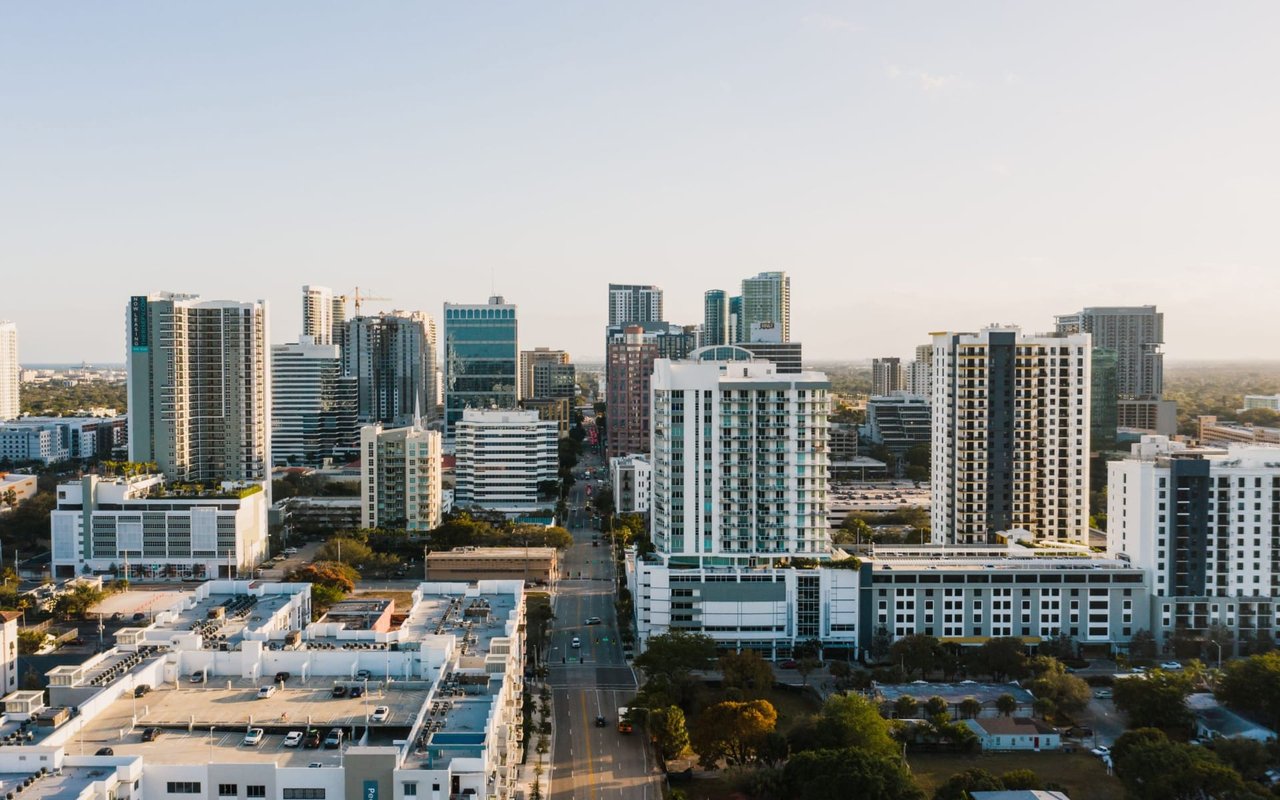
Downtown Fort Lauderdale's condo stock sits on the New River, the Intracoastal, and the A1A oceanfront. Salt air and wind-driven rain do specific things to specific components, and those things drive the SIRS numbers.
- Common findings include concrete spalling and rebar corrosion, waterproofing failures on balconies and parking decks, deteriorated balcony slabs, foundation settlement, corroded structural steel, and aging fire protection systems. Florida's climate accelerates deterioration in virtually every structural system.
- Concrete spalling on coastal-facing facades is common on Gulf-exposed buildings. Salt-air exposure accelerates rebar corrosion; remediation is well-understood and routinely budgeted. The same physics govern A1A and Intracoastal exposures in Broward.
- Plumbing-riser replacement on older condominiums built in the 1970s often faces cast-iron drain-line replacement. The SIRS captures the cost; the milestone inspection captures the urgency.
Ask the listing agent which of these categories appears in the Phase 1 narrative and how each one is reflected in the funding plan. A buyer who can name balcony waterproofing and cast-iron risers by line item is a buyer the association's manager takes seriously.
The financing trap most buyers do not check
The SIRS story is also a lending story. Is the building on Fannie Mae's unavailable list? Check the Fannie Mae Condo Status Finder. If it's on the list, conventional financing is unavailable. A cash buyer can ignore this. A financed buyer whose lender pulls out at day 17 cannot. Many insurers require evidence of a current SIRS; buildings without one face higher premiums or coverage denial. That means the insurance quote your lender's underwriter conditions the loan on is downstream of the same document you are already reviewing.
The Phase 2 clock
If the milestone advanced beyond Phase 1, timing enters the picture. If Phase 2 uncovers significant structural concerns, the clock starts on repairs. State law requires repairs to begin within a year of the Phase 2 report, though each county may have its own stricter timelines. That 365-day window is the reason meeting minutes from the last two board cycles matter more than the glossy summary from the property manager. The board has to have decided how to pay, and the decision either lives in a budget line, a reserve draw, a special assessment vote, or a line of credit.
A diligence sequence for the inspection contingency
Order matters. Reading the SIRS before the meeting minutes wastes the SIRS.
- Confirm the certificate of occupancy date and the building's habitable story count. Both determine which statute applies.
- Request the current SIRS with its funding plan, the most recent milestone report including any Phase 2 addendum, the last two adopted budgets, and the last twenty-four months of board meeting minutes.
- In the minutes, search for the words "waive," "reserve," "special assessment," "line of credit," and "loan." Note every date one appears.
- Match each minute-book reference to a line in the budget or reserve schedule. Compare the files for consistency. A repair discussed in meeting minutes should be traceable to a budget line, reserve allocation, assessment, contract, or documented decision to defer. An unexplained gap is not necessarily a defect, but it warrants a precise written question.
- Read the SIRS funding plan's first three years. The catch-up line is where a waived-reserve history becomes a buyer's problem.
- Check the Fannie Mae Condo Status Finder before the financing contingency drops.
- Confirm the association's insurance declarations name a current SIRS.
Steps 3, 4, and 5 are the ones most buyers skip. They are also where the price adjustment or the assessment credit gets negotiated.
Where this changes an offer in Downtown Fort Lauderdale
Applied to a real transaction, the framework produces one of three outcomes. A tower with a clean Phase 1, a fully funded SIRS, no waiver history, and a transparent minute book supports the asking price. A tower with a Phase 2 report, a defined scope of work, and a funding plan that already covers the work supports the asking price with a documented timeline. A tower with a clean Phase 1 but a SIRS built on a low base, active waiver history in the minutes, or a pending assessment that has been noticed but not yet levied is the profile where the buyer negotiates a credit at closing rather than discovering the number in the first quarterly statement.
Named branded-residence product in the Fort Lauderdale market, including Auberge Beach Residences & Spa Fort Lauderdale, The St. Regis Residences Bahia Mar Fort Lauderdale, and Four Seasons Hotel & Private Residences Fort Lauderdale and Riva Residenze Fort Lauderdale, sits under the same statutory regime. Newer construction does not exempt a building. It applies to any building three stories or taller, no matter how new. The SIRS mandate is triggered by building height, not age, so a condo finished in 2026 still needs a SIRS on file.
FAQ
Does a newer Downtown tower need a SIRS? Yes. The height threshold controls, not the age. Buyers of new construction should still request the developer's SIRS before closing.
Can the association waive the catch-up? Not for the eight structural components. Not for structural components. Florida law now prohibits waiving or reducing reserves for the eight mandatory SIRS components (roof, load-bearing walls and primary structural members, fire protection, plumbing, electrical, waterproofing, windows, and items over $10,000).
How long can funding be paused after a milestone finding? Up to two budget years, and only to redirect funds toward the milestone's urgent repairs. HB 913 allows funding through regular assessments, special assessments, loans, and lines of credit. Temporary pauses are permitted when milestone inspections reveal urgent repairs. The obligation cannot be eliminated.
What if the association has not posted its documents? HB 1021 (2024) layered on governance and transparency rules, including a requirement that associations with 25+ units post governing documents, budgets, and reserve studies to a website or app. A building that cannot produce the file is a diligence problem before it is a structural one.
Who signs off on the SIRS? The SIRS must be performed or verified by a licensed engineer, architect, a certified reserve specialist, or professional reserve analyst licensed by the Community Associations Institute or the Association of Professional Reserve Analysts. A name and a license number belong on every report your lawyer reviews.
Buyers who read the SIRS the way lenders read a rent roll close on Downtown Fort Lauderdale condos at defensible numbers. Buyers who read only the milestone close on the seller's numbers. If you are under contract on a Las Olas, New River, or A1A tower and want the funding plan reviewed line by line before your inspection contingency expires, Austin Bergman is available for a confidential consultation.