By Austin Bergman
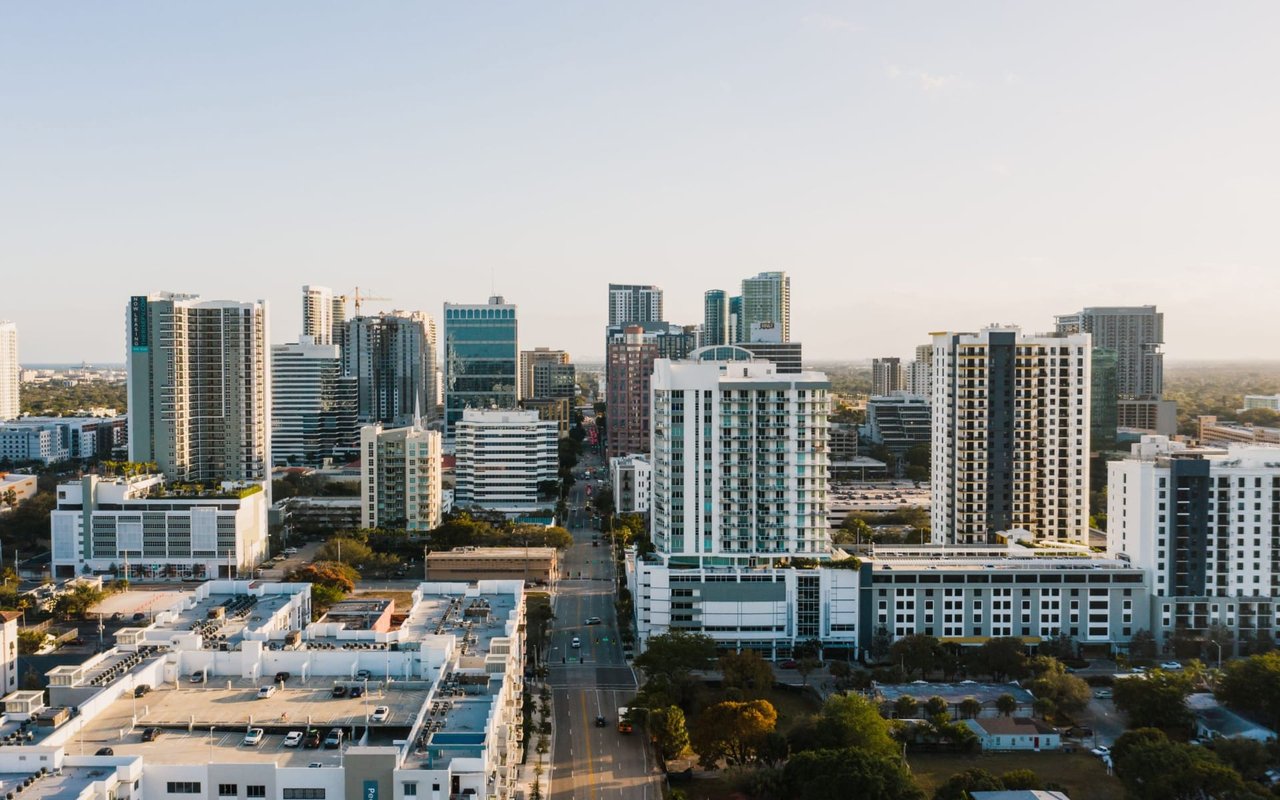
Real estate negotiations in South Florida are unlike negotiations anywhere else in the country. Our market moves quickly, competition is fierce, and buyers and sellers at the luxury level expect precision, strategy, and expertise at every step. Whether you’re navigating the waterfront estates of Fort Lauderdale, the contemporary high-rises of Miami, or the upscale communities of Boca Raton and Palm Beach, success depends on your ability to negotiate with confidence and clarity.
As a South Florida real estate expert, I’ve represented clients in some of the region’s most competitive transactions. Over the years, I’ve learned that real estate negotiations rely not just on price, but on timing, communication, and a deep understanding of local market dynamics.
Below, I’m sharing strategic insights to help you negotiate smarter and position yourself for success—no matter which side of the transaction you're on.
Know the South Florida Market Inside and Out
The foundation of strong real estate negotiations is understanding current market conditions. South Florida’s real estate landscape shifts frequently due to seasonal trends, luxury buyer demand, and the influence of international investors.
Before entering negotiations, assess:
- Current inventory levels in your specific neighborhood
- Absorption rates for properties in your price category
- Recent comparable sales
- The strength of buyer demand in your target area
For example, waterfront communities in Fort Lauderdale often attract multiple offers, while interior neighborhoods may move at a different pace. Miami’s condo market can fluctuate based on new development cycles, while Boca Raton’s gated communities remain consistently competitive.
Accurate data gives you leverage—and ensures that your negotiation strategy aligns with South Florida’s real-time market trends.
Create a Strong First Impression
In real estate negotiations, your first impression often sets the tone for the entire transaction. For buyers, submitting a clean, well-prepared offer signals seriousness. For sellers, presenting a well-maintained property and clear documentation enhances credibility.
In South Florida’s luxury market, where buyers may be comparing your property to others across the region, that initial perception matters more than most people realize.
A strong presentation shows professionalism—and encourages the other party to respond in kind.
Understand the Motivation on Both Sides
Every successful negotiation begins with uncovering what truly matters to the other party. In my work throughout South Florida, I’ve seen countless deals succeed not just because of price, but because we identified key motivations:
- A seller who values a quick closing over top dollar
- A buyer who cares more about furnishings than price
- A seller who prioritizes confidentiality
- A buyer who needs flexibility due to relocation timing
When you understand what drives the other party, you gain a tremendous advantage. Real estate negotiations are not about winning at all costs—they’re about aligning interests and finding a mutually beneficial solution.
Use Timing to Your Advantage
Timing is a powerful element in any negotiation, and it plays an especially important role in South Florida. Seasonal buyer waves, weather patterns, and international travel cycles affect when buyers enter the market—and how motivated they may be.
For instance:
- Winter and early spring bring an influx of out-of-state buyers seeking second homes.
- Hurricane season may motivate some sellers to close quickly.
- End-of-year transactions often involve tax-related timing considerations.
When you understand timing pressures, you gain additional leverage in your negotiation strategy.
Leverage Professional Representation
Expert representation is essential in real estate negotiations—particularly in South Florida’s luxury market, where properties often come with unique architectural features, complex contracts, and high investment stakes.
As a seasoned negotiator, I help my clients by:
- Positioning their offer or listing competitively
- Identifying strengths and weaknesses in each proposal
- Navigating counteroffers with clarity
- Protecting their financial and contractual interests
- Reading signals from the other agent to gauge flexibility
A skilled negotiator can save clients thousands—or strategically secure a property that otherwise might have gone to a competing buyer.
Keep Emotions in Check
Real estate transactions are often emotional, especially when dealing with dream homes, investment properties, or legacy estates. However, emotion rarely leads to successful negotiations.
I always encourage clients to focus on:
- Data
- Strategy
- Value
- Long-term goals
Negotiations require clarity and composure. When emotions remain balanced, decisions become more strategic—and outcomes more favorable.
Structure Your Offers and Counteroffers Carefully
In South Florida, where deals can move fast, crafting a strong offer is essential. This includes:
- Competitive pricing
- Clean terms
- Limited contingencies
- Proof of funds or a strong pre-approval
- Flexible closing dates
- Clear communication
A well-structured offer sends a message: you are serious, qualified, and ready to move.
The same applies to sellers—responding promptly and strategically builds confidence and momentum, keeping negotiations productive and moving toward closing.
Use Concessions Strategically
Concessions can be powerful tools in real estate negotiations when used correctly. This might include offering credits for repairs, adjusting timelines, or including furnishings.
In South Florida’s luxury homes—where finishes, imported materials, and amenities vary widely—concessions can streamline the negotiation process and avoid lengthy back-and-forth discussions over smaller details.
Prepare for Multiple Offer Situations
Multiple offer scenarios are common in South Florida, especially in high-demand waterfront and coastal neighborhoods.
To succeed, buyers should:
- Submit strong, clean offers
- Be prepared to move quickly
- Use escalation clauses strategically
- Show financial strength up front
Sellers should evaluate not just price, but overall offer quality—including terms, contingencies, and the financial credibility of the buyer.
Frequently Asked Questions
How important is negotiation in the South Florida real estate market?
Extremely important. With diverse buyer pools and competitive communities, effective negotiation can significantly impact both price and outcomes.
Can strong negotiation really increase my home’s sale price?
Yes. A strategic negotiator can position your home to attract stronger offers and secure terms that protect your financial interests.
Do buyers always need to negotiate?
In most cases, yes, even if the goal is speed rather than price changes. Negotiation ensures your interests are represented.
Is negotiating different in luxury real estate?
Absolutely. Luxury transactions require precision, confidentiality, and a deep understanding of property value and buyer motivation.
Elevate Your Strategy With Local Expertise
Real estate negotiations demand preparation, insight, and experience—especially in a market as dynamic as South Florida. Whether you're buying or selling, you deserve a negotiator who understands regional trends, luxury buyer expectations, and how to secure the strongest possible outcome.
If you’re planning a move or looking to invest in South Florida real estate, I’d be honored to guide you. Visit austinbergman.com to explore current opportunities or connect with me directly for expert support throughout your next negotiation. You may also search for Fort Lauderdale homes for sale today!