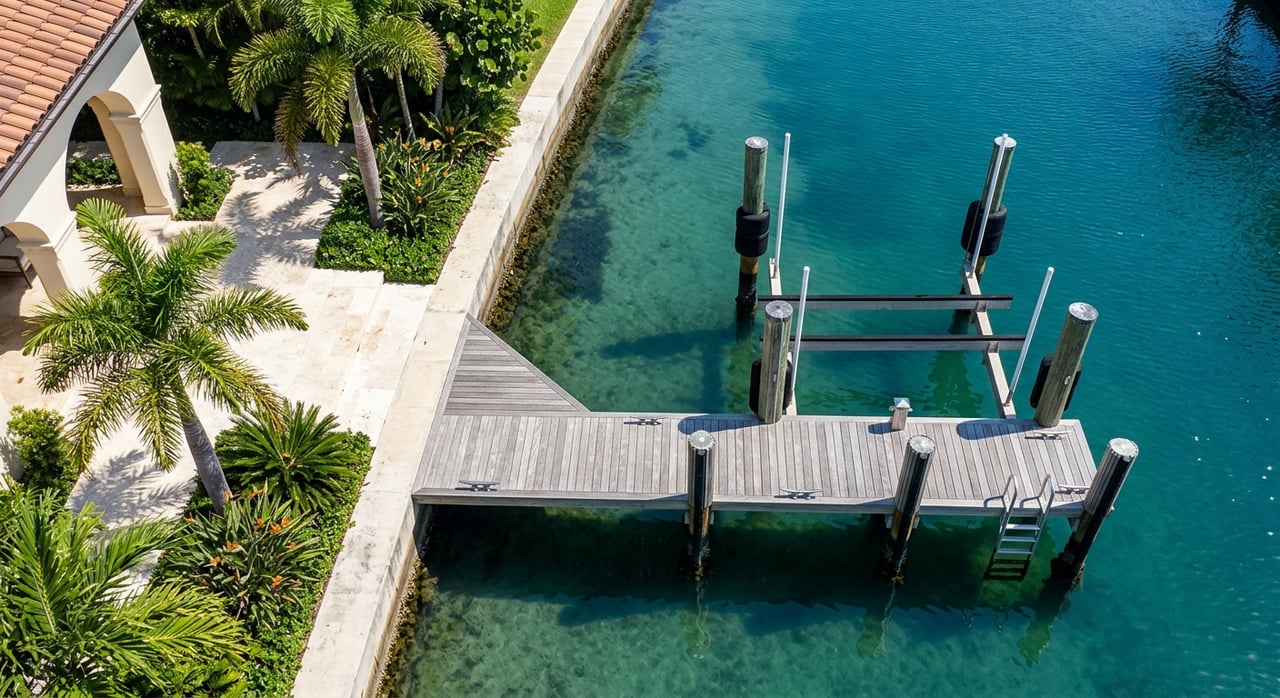
If you are shopping for a waterfront home in Lighthouse Point, one detail can change everything: not all water access works the same. Two homes may both sit on the water, but your boating route, bridge clearance, seawall condition, and dock setup can create a very different ownership experience. This guide will help you understand what matters most so you can buy with more clarity and confidence. Let’s dive in.
Understand Lighthouse Point Waterfront
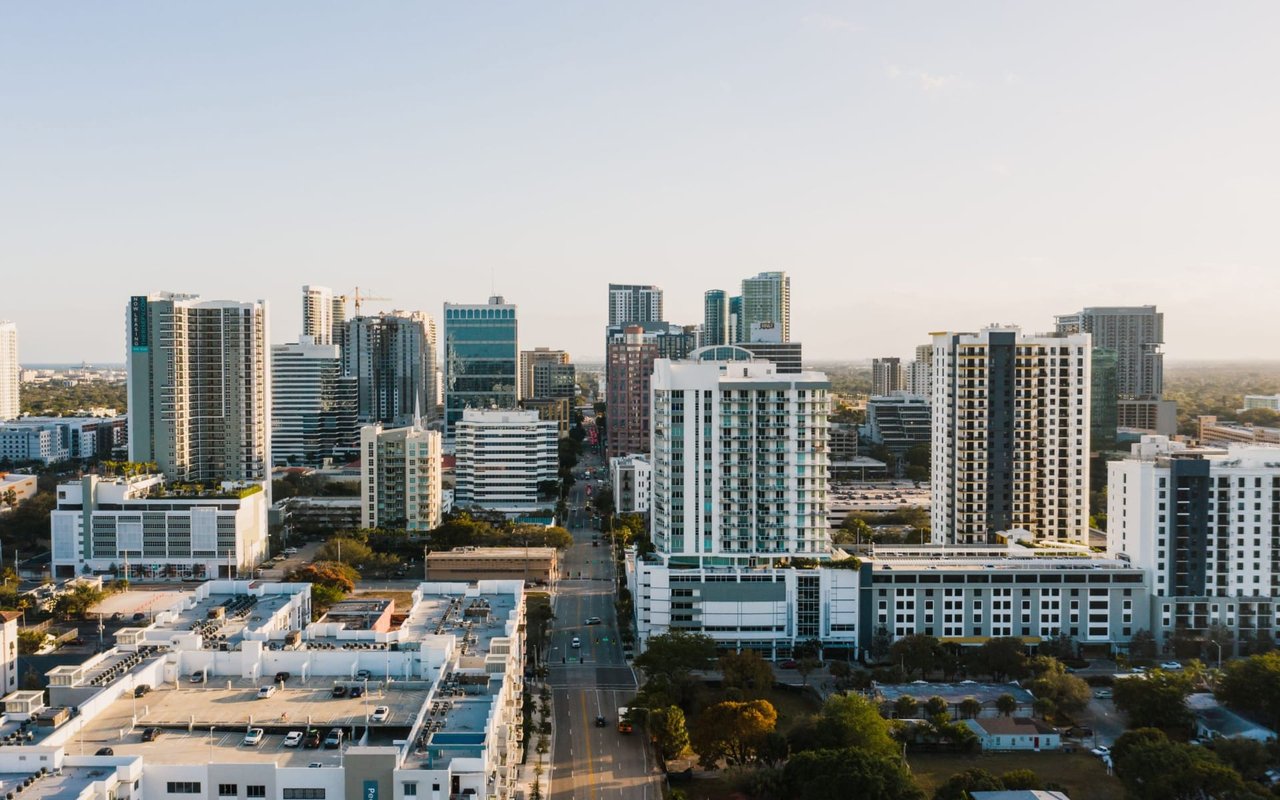
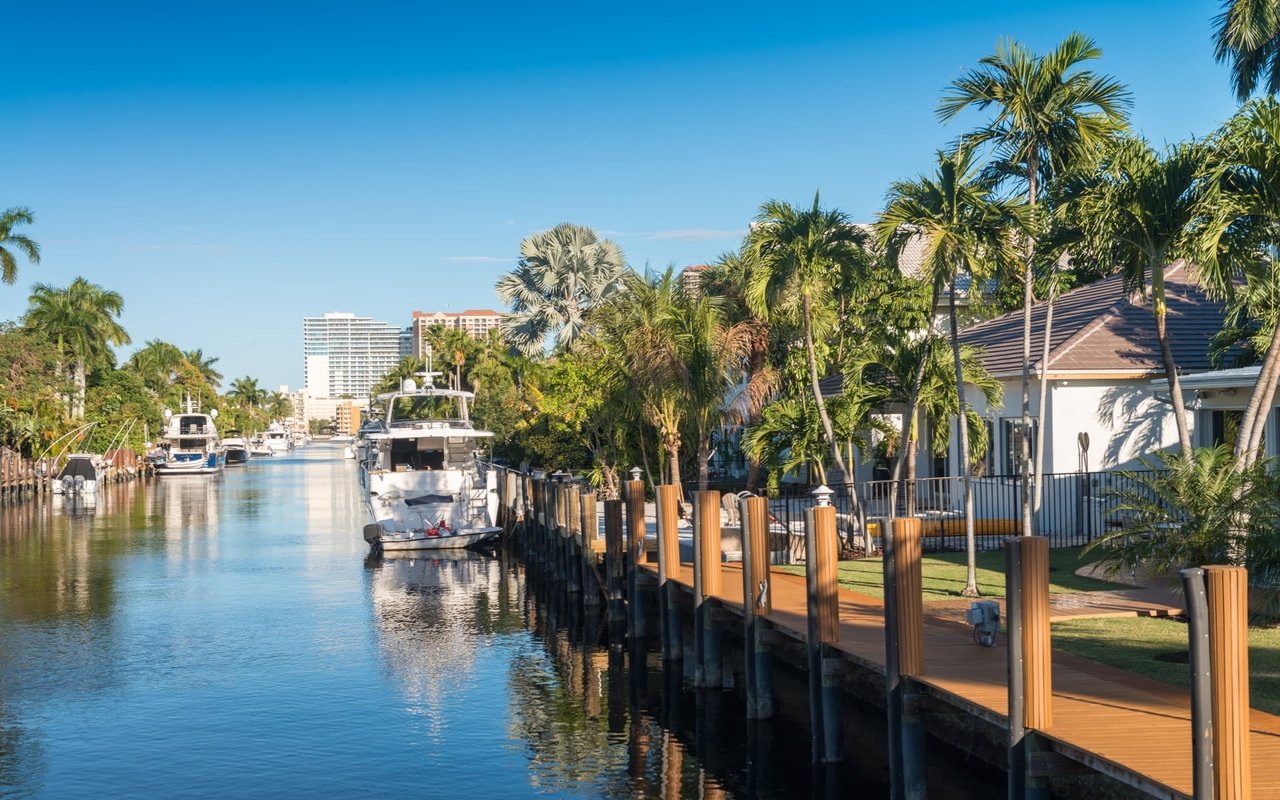
Lighthouse Point is a canal-and-Intracoastal market, not a beach-front market. The city says the Intracoastal Waterway runs the length of the city and connects to its canal system at several points, and many of the city’s single-family homes front its 18 miles of waterways.
It is also a mature market. More than 95% of the city is developed, which means new waterfront opportunities are limited and existing inventory tends to carry a premium when the lot, dock, and water access are strong.
That built-out setting is part of the appeal. You are not just buying a house near the water. You are buying into a maintained waterfront infrastructure system with canals, seawalls, bridges, and boating routes that directly affect value.
Know What Drives Waterfront Value
In Lighthouse Point, pricing is highly sensitive to property configuration. Current waterfront asking prices range from roughly sub-$500,000 condos and townhomes to estates approaching $15 million, which shows how wide the spread can be.
The biggest drivers of value are usually the quality of water access, dock usability, lot size, view corridor, and the condition and permit status of the seawall and dock. A home with a usable private dock and a simpler route to open water may command very different interest than a property with more boating limitations.
Market snapshots also suggest a relatively tight segment. A late-June 2026 snapshot showed about 76 waterfront homes for sale in Lighthouse Point, with a median listing price near $1.01 million, while Redfin’s citywide median sale price over the prior three months was $1.1 million.
Trace the Boat Route First
One of the smartest things you can do is trace the exact route from the dock to open water before you fall in love with a home. In Lighthouse Point, that route can be just as important as the kitchen, pool, or finishes.
Some listings highlight direct ocean access or no fixed bridges for a reason. Those details can shape the type of boat you can keep, how easy your day on the water feels, and how the property is perceived by future buyers.
Bridge clearance is not something to estimate casually. NOAA notes that air-gap and bridge-clearance measurements can vary with water level, and the U.S. Coast Guard describes bridge guide clearances as navigational clearances used in the permitting process.
As a local reference point, a U.S. Coast Guard notice for the Hillsboro Inlet bridge cited charted clearances of 13 feet vertical and 60 feet horizontal between fenders. That is why your boat’s air draft and beam should be checked against the full route, not just the dock behind the house.
Ask About Fixed Bridges
In this market, the phrase “no fixed bridges” carries real meaning. If your route includes fixed bridges, that can affect which boats fit and when you can move through the system.
The city’s June 2024 Bridge Replacement Master Plan also shows how important bridge clearance is locally. Priority bridges include Sample Road, NE 31st Court, and NE 28th Street, and the city’s engineering documents explicitly say design should maximize allowable heights under the bridge.
Confirm Canal-to-ICW Access
Because Lighthouse Point is built around man-made canals tied to the Intracoastal, you should confirm how your canal connects outward. Two properties may both appear “waterfront,” yet one may offer a more practical boating route than the other.
This is especially important for larger vessels. A point lot, wider turning area, or fewer constraints along the route can add everyday convenience and long-term resale appeal.
Inspect the Dock and Seawall Carefully
In Lighthouse Point, the dock and seawall are not side notes. They are core parts of the property, and they deserve the same level of attention as the roof, windows, and structure.
The city’s permitting rules make that clear. Its dock-and-seawall checklist requires outside agency approvals in some cases, plus an updated dock and seawall survey before final inspection.
For new waterfront construction or major additions, the city also requires two signed and sealed engineer letters confirming seawall condition and support capacity, along with recent surveys and drainage plans. That tells you how central these components are in local due diligence.
Review Dock Features
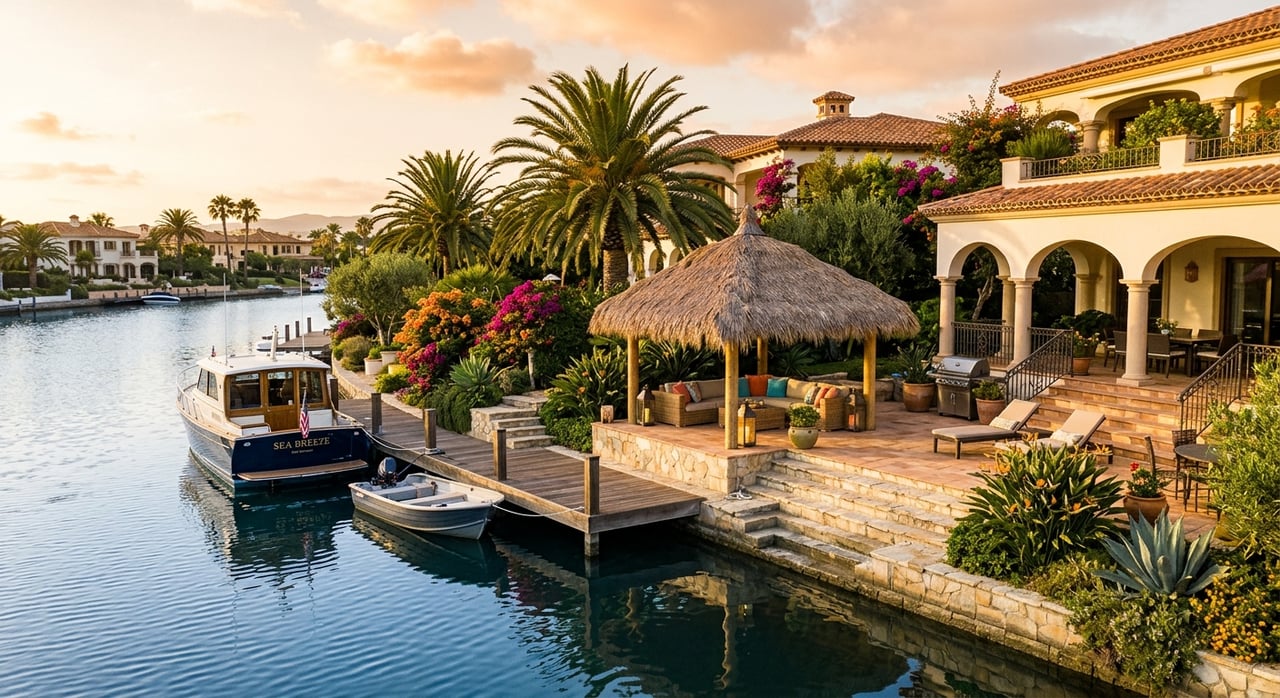
Look closely at the practical setup, not just the visual appeal. Current Lighthouse Point listings often highlight features such as private docks, direct ocean access, lifts, and dock length because those details shape how the property functions.
A useful review list includes:
- Dock length
- Lift capacity
- Shore power
- Water access depth
- Turning room for your vessel
- General dock condition
If a listing advertises an 80-foot dock, for example, that may be a major value point for one buyer and irrelevant to another. The key is matching the property to how you plan to use it.
Review Seawall Condition
Seawall condition can affect both cost and risk. You should review age, visible condition, any known repairs, and the property’s permit history.
Because the city requires engineering documentation in certain situations, seawall support capacity is not just a cosmetic issue. It can influence future improvements, maintenance planning, and your comfort level before closing.
Check Permits and Surveys
A waterfront purchase in Lighthouse Point should include a careful paper-trail review. Permit history and survey age matter because they help confirm what was built, what was approved, and what may need further review.
The city specifically references updated surveys in its dock and seawall process. That makes survey recency especially relevant if you are buying a home with existing waterfront improvements or planning future changes.
Ask for documentation related to docks, seawalls, and major exterior work. If records are incomplete, that does not always mean there is a problem, but it does mean you should slow down and verify details before moving forward.
Factor in Flood and Storm Planning
Waterfront living in South Florida comes with added planning, and Lighthouse Point is no exception. The city encourages flood insurance review, provides elevation certificates, and notes that Lighthouse Point is in a mandatory evacuation area for Category 3 and above storms.
That means your buying decision should include more than purchase price alone. You should confirm flood zone, review elevation information, and understand the insurance implications before closing.
This step is not about being alarmed. It is about being prepared, especially when you are buying a high-value coastal property where ownership costs can be shaped by site conditions.
Watch Local Infrastructure Projects
Long-term desirability in Lighthouse Point is supported by active public investment in waterfront infrastructure. The city has ongoing work tied to bridge replacement planning, canal dredging, and seawall erosion repairs.
That investment can support the waterfront lifestyle that draws buyers here, but projects can also create short-term inconvenience. Traffic patterns, boating access, noise, and staging activity may be affected depending on where and when work is happening.
Before writing an offer, ask about any current or upcoming construction near the property or along the boating route. That simple question can give you a clearer view of day-to-day usability over the next few years.
Look Beyond the House Itself
A beautiful waterfront home can still be the wrong fit if the lot-water setup does not match your goals. In Lighthouse Point, some of the most important buying questions sit outside the walls of the home.
You should think about the property as a full package that includes the house, lot shape, dock, seawall, canal position, bridge route, and connection to open water. That broader view helps you avoid overpaying for the wrong kind of waterfront.
The city also regulates the land-water edge closely. For example, its FAQ states that waterfront hedges are limited to 3 feet within the rear 25-foot setback from the seawall, which shows how specifically the transition zone is managed.
A Smart Buyer Checklist
Before you move forward on a Lighthouse Point waterfront home, make sure you have answers to these basics:
- Verify your boat’s air draft against the lowest bridge on the route
- Confirm whether the route includes fixed bridges or drawbridges
- Inspect dock length, lift capacity, shore power, and general dock condition
- Review seawall age, condition, and any available engineering documentation
- Check permit history for waterfront improvements
- Confirm survey age and whether updated surveys are needed
- Review flood zone, elevation certificate, and insurance implications
- Ask about nearby bridge, dredging, or seawall projects that may affect access or convenience
For many buyers, this process is where local waterfront expertise becomes especially valuable. A polished home tour is easy. Understanding how the property works on the water is where smart buying happens.
If you are considering a waterfront purchase in Lighthouse Point, a discreet, data-driven approach can help you compare opportunities more clearly and avoid costly surprises. To discuss the market and evaluate waterfront fit with confidence, Austin Bergman can help.
FAQs
What makes a Lighthouse Point waterfront home different from other South Florida waterfront properties?
- Lighthouse Point is largely a canal-and-Intracoastal market with man-made waterways, bulkheaded edges, and boating routes shaped by bridges, canal access, docks, and seawalls rather than beach-front exposure.
Why does bridge clearance matter when buying a waterfront home in Lighthouse Point?
- Bridge clearance affects whether your boat can safely reach open water, and clearance can vary with water level, so you should verify the full route from the dock to the Intracoastal or inlet.
What should you inspect at the dock of a Lighthouse Point waterfront home?
- You should review dock length, lift capacity, shore power, water access depth, turning room, and overall condition to make sure the setup matches how you plan to use the property.
Why is seawall condition important for a Lighthouse Point home purchase?
- Seawall condition can affect maintenance costs, future improvements, and overall waterfront usability, and the city’s permit process shows that structural support and documentation are important local considerations.
What flood-related items should buyers review for waterfront homes in Lighthouse Point?
- Buyers should confirm the flood zone, review any available elevation certificate, and understand insurance implications before closing, since the city encourages flood insurance review and storm preparedness.
How can local infrastructure projects affect a Lighthouse Point waterfront property?
- Bridge replacement work, canal dredging, and seawall repairs can support long-term waterfront value, but they may also temporarily affect traffic, boating access, and day-to-day convenience near the home.