By Austin Bergman
South Florida has long attracted real estate investors for reasons that hold across market cycles: a constrained housing supply, durable demand from domestic and international buyers, a favorable tax environment, and a lifestyle that continues drawing people from across the country and the world. The market is not without its complexities, and investors who succeed here understand what makes it distinctive before they commit capital. This guide covers what every investor needs to know about South Florida real estate investment.
Key Takeaways
- Florida's no-income-tax and no-rent-control environment creates structural advantages for investors that few states can match
- Short-term rental regulations vary significantly by municipality in South Florida and must be researched property by property
- Post-Surfside condo regulations have materially changed the cost and compliance requirements of condo ownership
- Insurance costs in South Florida are elevated and belong in every investment underwriting from the start
Why South Florida Attracts Investors
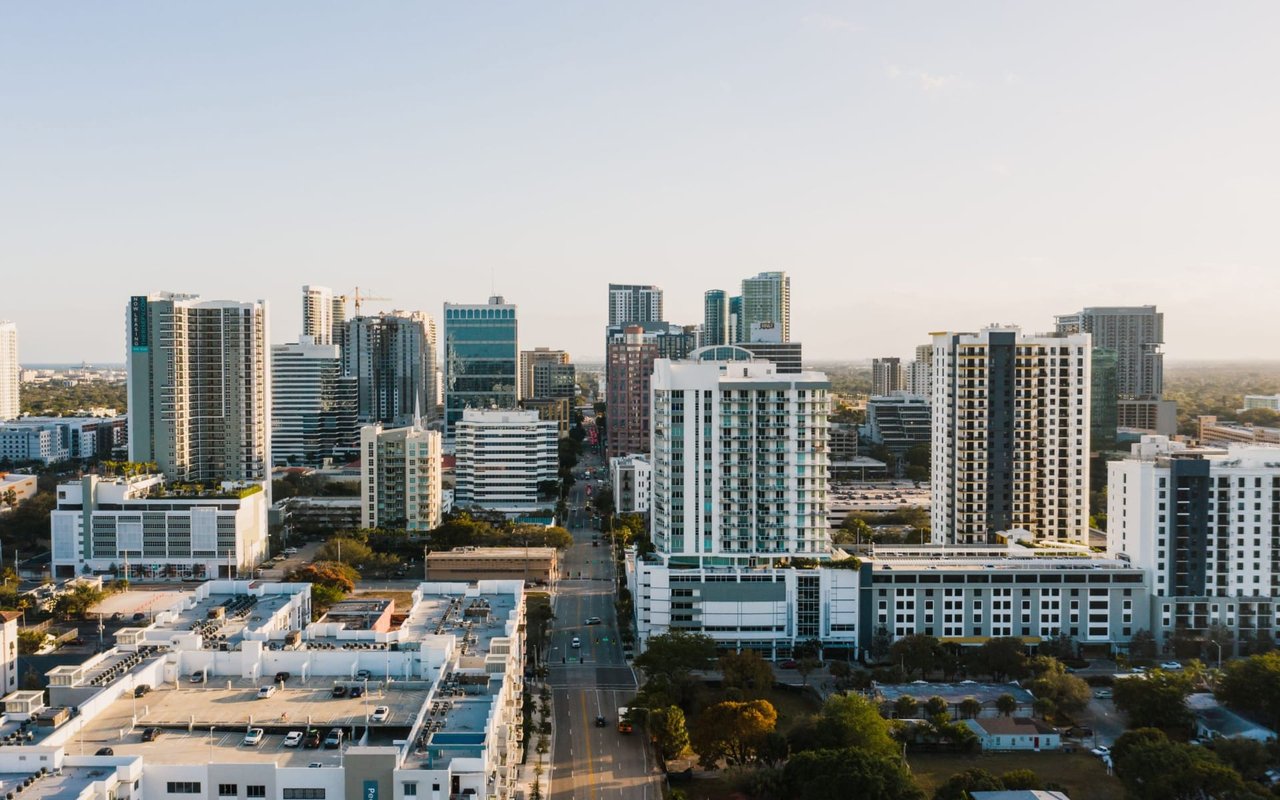
The structural case for South Florida real estate begins with demand. Florida continues to attract domestic migration from high-tax states in the Northeast and Midwest, as well as a consistent flow of international buyers from Latin America and Europe. Miami, Fort Lauderdale, and the markets stretching north through Boca Raton, Delray Beach, and West Palm Beach all benefit from that sustained inflow.
The tax environment reinforces the appeal. Florida has no state income tax and no rent control laws. Landlords can set rents at market rates, adjust them as conditions change, and are not subject to the legislative constraints that limit flexibility in markets like New York or California. These structural advantages do not fluctuate with market cycles, which is part of what makes South Florida a durable investment destination.
The tax environment reinforces the appeal. Florida has no state income tax and no rent control laws. Landlords can set rents at market rates, adjust them as conditions change, and are not subject to the legislative constraints that limit flexibility in markets like New York or California. These structural advantages do not fluctuate with market cycles, which is part of what makes South Florida a durable investment destination.
What Makes South Florida a Compelling Investment Market
- No state income tax, creating a favorable after-tax return environment
- No rent control laws, giving landlords flexibility to set and adjust rents at market rates
- Sustained domestic and international migration supporting long-term housing demand
- A tourism-driven economy supporting both short-term and long-term rental markets
Understand the Short-Term Rental Landscape Before You Buy
One of the most important due diligence steps for any investor considering short-term rental income is verifying the regulatory environment for that specific property before making an offer. Municipalities across Miami-Dade and Broward County have enacted varying restrictions, including registration requirements, occupancy limits, and in some areas prohibitions in certain neighborhoods or zoning classifications.
These rules are not uniform and they change. What is permitted in one part of Miami may be prohibited in an adjacent municipality. The consequences of purchasing a property with short-term rental assumptions that prove legally unachievable are significant. Working with a local agent and a Florida-licensed attorney to verify current status is a core part of the investment process, not an afterthought.
These rules are not uniform and they change. What is permitted in one part of Miami may be prohibited in an adjacent municipality. The consequences of purchasing a property with short-term rental assumptions that prove legally unachievable are significant. Working with a local agent and a Florida-licensed attorney to verify current status is a core part of the investment process, not an afterthought.
What to Verify Before Purchasing for Short-Term Rental Use
- Whether the property's municipality and zoning permit short-term rentals
- Whether a registration or permit is required and currently obtainable
- Any HOA rules that may restrict rental activity regardless of municipal permission
- The local enforcement posture and any pending regulatory changes
Know the Condo Regulations That Changed After Surfside
For investors considering condominiums in South Florida, the post-Surfside regulatory environment has materially changed the landscape. Following the 2021 Champlain Towers collapse, Florida enacted significantly stricter requirements for condo associations, including mandatory reserve funds, structural safety inspections, and new financial transparency obligations.
This affects carrying costs, as association fees have risen in many buildings to fund newly required reserves. It also requires buyers to carefully review the financial health of any association before purchasing, particularly in older buildings where deferred maintenance may have created significant unfunded liabilities.
This affects carrying costs, as association fees have risen in many buildings to fund newly required reserves. It also requires buyers to carefully review the financial health of any association before purchasing, particularly in older buildings where deferred maintenance may have created significant unfunded liabilities.
What Condo Investors Must Evaluate
- The association's reserve fund status and whether it meets the new requirements
- Whether structural inspections are pending or have identified issues requiring remediation
- Recent and projected HOA fee trends as buildings fund newly required reserves
- The building's age and any prior maintenance or insurance claims
Budget for Insurance as a Core Investment Cost
South Florida's hurricane risk, combined with challenges in Florida's property insurance market, means insurance is a meaningfully different line item here than in most other investment markets. Premiums near the coast are elevated, and flood insurance is a separate policy from standard homeowner's coverage, required for many properties in FEMA-designated flood zones.
Every investment analysis should include a realistic insurance estimate obtained before closing. Buyers who model returns without actual insurance costs frequently find the economics of an acquisition look different once coverage is in place. Working with an insurance broker who specializes in South Florida investment properties early in the process is one of the most valuable steps an investor can take.
Every investment analysis should include a realistic insurance estimate obtained before closing. Buyers who model returns without actual insurance costs frequently find the economics of an acquisition look different once coverage is in place. Working with an insurance broker who specializes in South Florida investment properties early in the process is one of the most valuable steps an investor can take.
Insurance Considerations for South Florida Investment Properties
- Obtain actual insurance quotes before making an offer, not after
- Budget for flood insurance separately if the property is in a FEMA flood zone
- Factor rising premium trends into return projections over any multi-year hold
- Understand that coastal proximity significantly affects both premium levels and coverage availability
Complete Your Due Diligence on Title and Disclosure
Florida requires sellers and landlords to provide written disclosure of a property's flood history before executing a contract, including past claims and damage. Every investor should review that disclosure carefully before committing.
Title insurance and a thorough title search are essential in South Florida, where wire fraud targeting real estate buyers has increased. Working with a reputable closing agent, title company, and real estate attorney, and confirming all wiring instructions through verified channels, is standard practice every investor should follow.
Title insurance and a thorough title search are essential in South Florida, where wire fraud targeting real estate buyers has increased. Working with a reputable closing agent, title company, and real estate attorney, and confirming all wiring instructions through verified channels, is standard practice every investor should follow.
Due Diligence Steps Every South Florida Investor Should Complete
- Review the seller's flood disclosure, including the property's full claims and damage history
- Obtain title insurance and complete a thorough title search before closing
- Verify all wire transfer instructions directly through your closing agent using confirmed contact
- Review HOA documents including financials, bylaws, and rental restrictions for any property with an association
FAQs
What makes South Florida a good place to invest in real estate?
South Florida benefits from sustained domestic and international migration, a tourism-driven economy, no state income tax, and no rent control laws. These structural factors support long-term rental demand and give investors flexibility not available in most other major markets.
What should I know about short-term rentals in South Florida before investing?
Regulations vary significantly by municipality. Verify that the specific property is legally permitted for short-term rental use before making any income assumptions.
Are condos in South Florida still a good investment after the Surfside regulations?
They can be, but the analysis is more involved now. You need to evaluate the association's reserve fund status, structural inspection history, and HOA fee trajectory. Well-run buildings remain viable investments, but due diligence has meaningfully increased.
Contact Austin Bergman Today
South Florida real estate rewards investors who approach the market with the right knowledge and local guidance. I work with investors across the region and bring the due diligence process, local context, and professional relationships that protect your investment from first showing through closing.
Reach out at Austin Bergman to connect and get started.
Reach out at Austin Bergman to connect and get started.