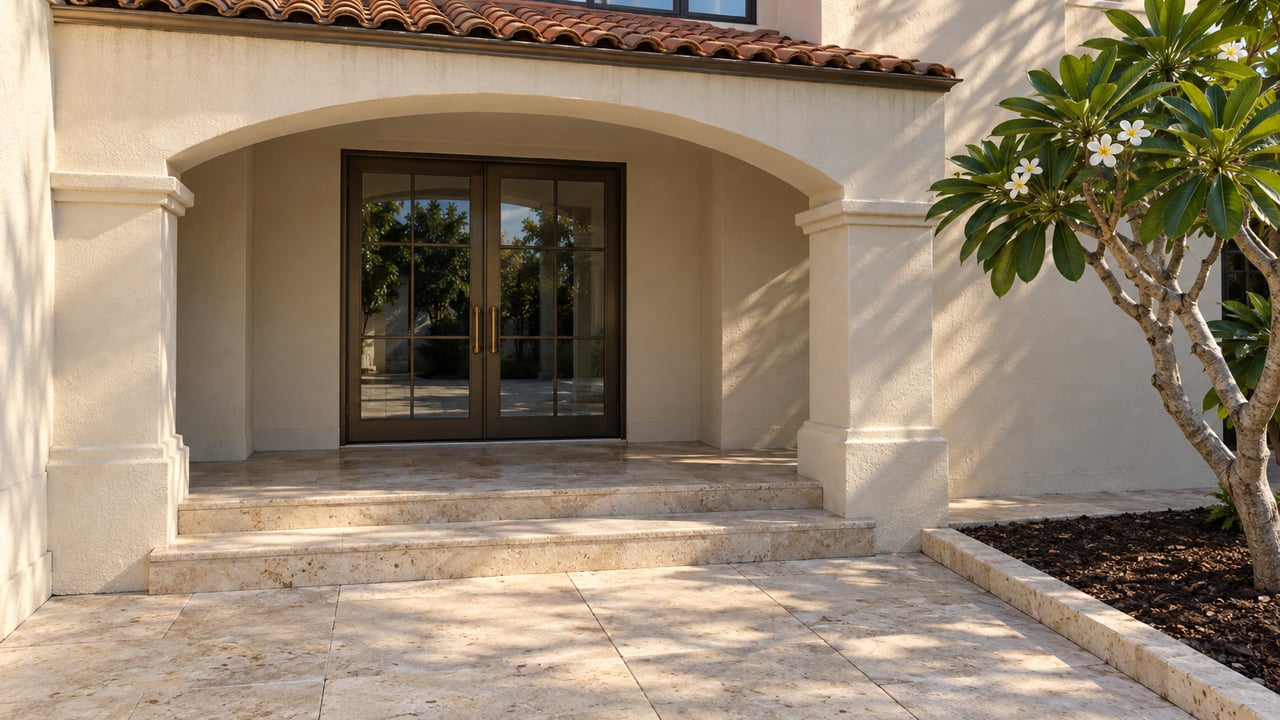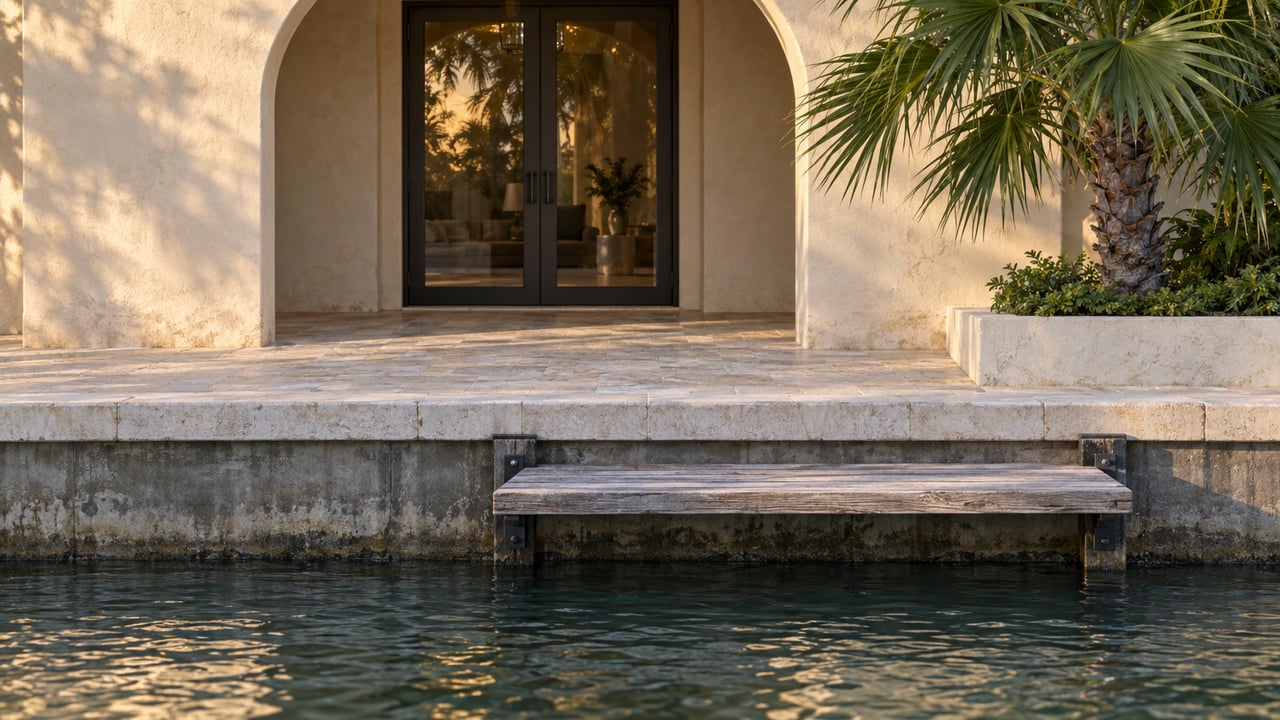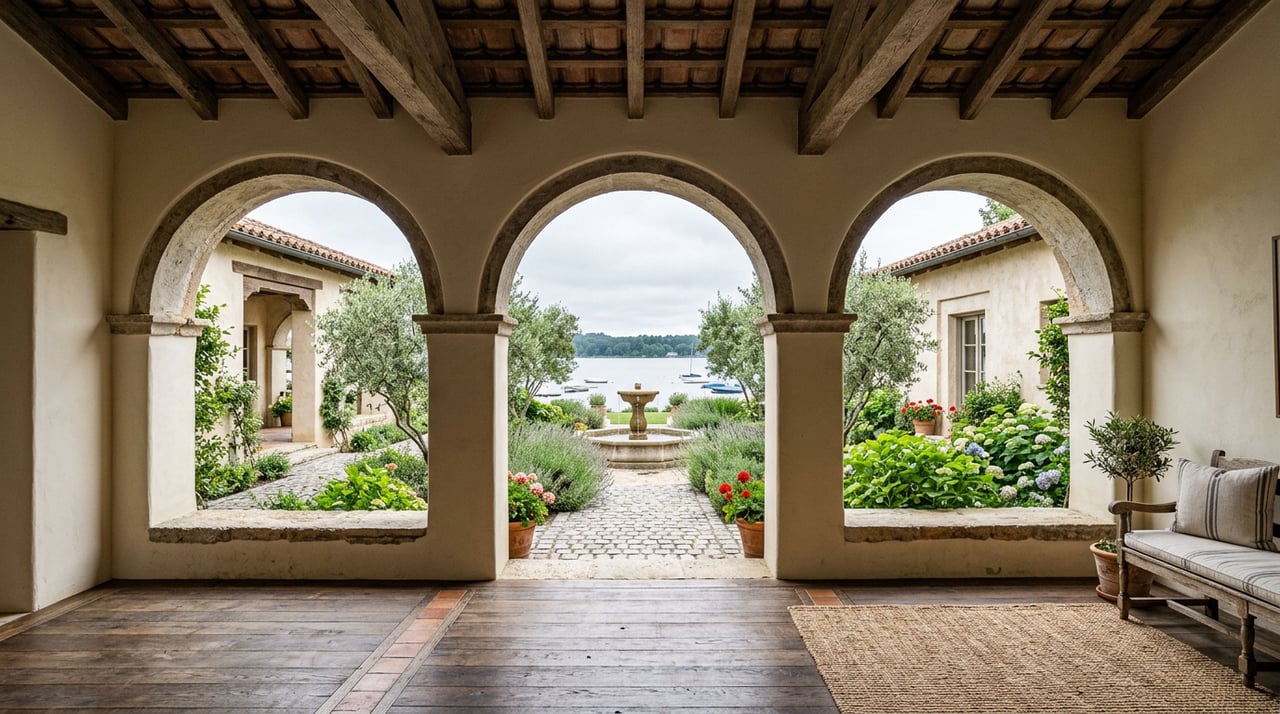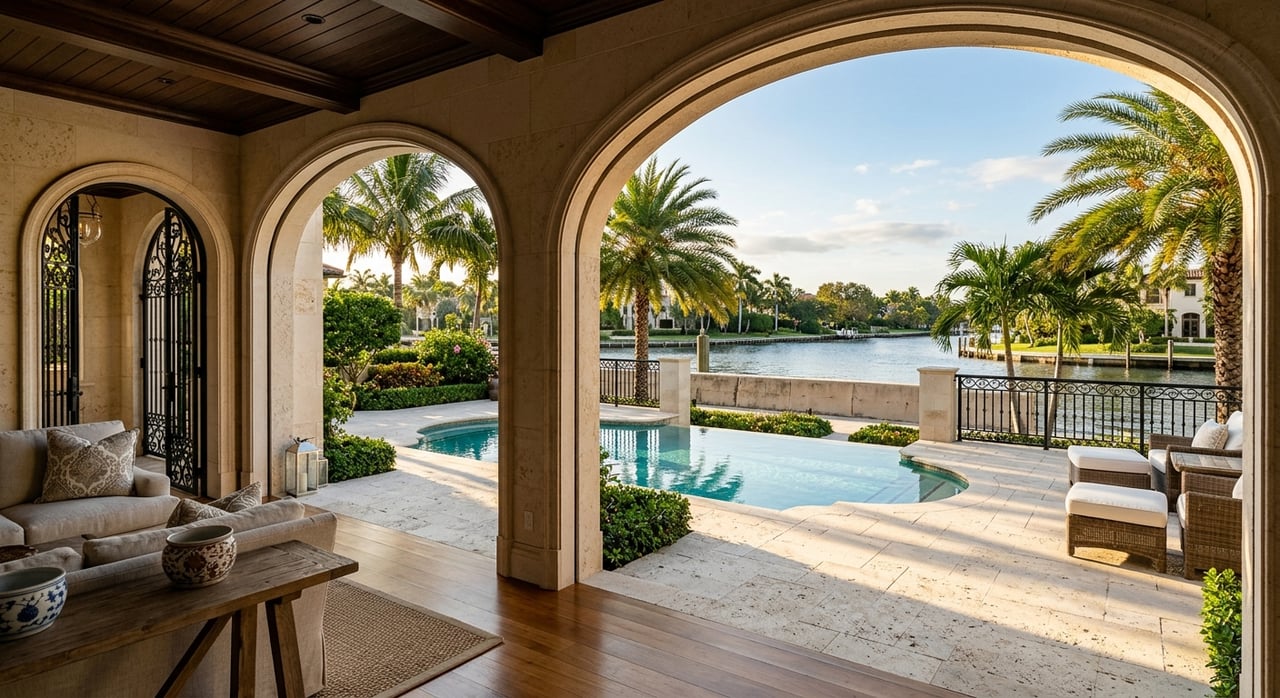
Trying to choose between the sand and the seawall in Lauderdale-by-the-Sea? It is a smart question, because this small coastal town offers two very different waterfront lifestyles in a compact 1.5-square-mile setting. If you are weighing a beachside condo against an Intracoastal home, the right fit usually comes down to how you want to live day to day, not just what view you want from the window. Let’s break down what matters most so you can compare both sides with more clarity.
Why location matters in Lauderdale-by-the-Sea
Lauderdale-by-the-Sea is shaped by water on both sides, with the Atlantic Ocean to the east and the Intracoastal Waterway to the west. The town has about 6,056 permanent residents, and its winter population rises above 10,000, which helps explain why both full-time and seasonal ownership are common here.
This is not a one-size-fits-all waterfront market. The town is known for its 2.5-mile beach, reef within 100 yards of shore, and Anglin’s Pier, but the Intracoastal edge also offers ocean access for recreational boating through Port Everglades and Hillsboro Inlet. In simple terms, most buyers here are choosing between a beach-oriented lifestyle and a boating-oriented one.
Daily convenience also shapes the decision. Lauderdale-by-the-Sea operates the free Circuit-By-The-Sea shuttle within town and Galt Ocean Mile, while beach-district parking east of A1A is metered. If you expect to walk to the sand often, or if you would rather launch from your dock, those details can quickly influence which side feels easier.
Beachside homes in Lauderdale-by-the-Sea
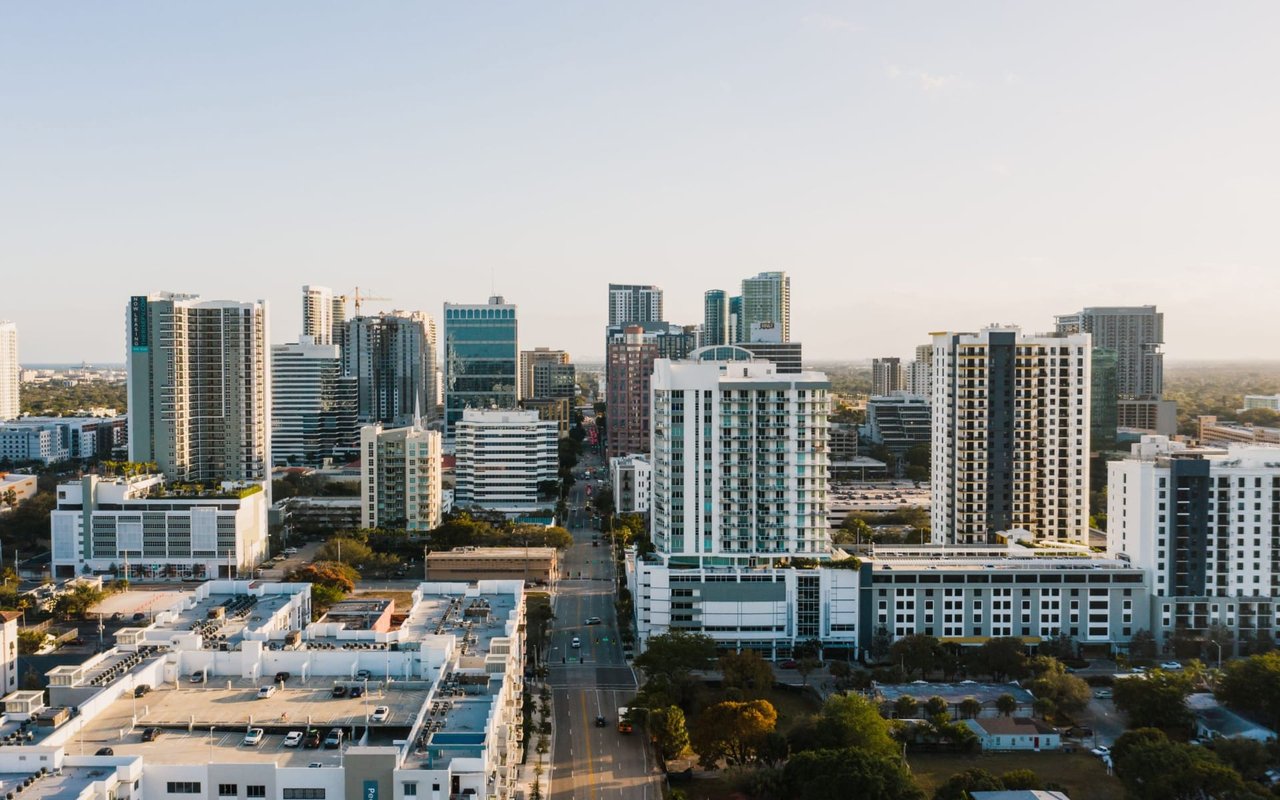
Beachside generally means east of A1A or homes oriented toward the ocean. In Lauderdale-by-the-Sea, that side of town tends to be led by condos, from oceanfront towers to smaller boutique buildings. Townwide property appraiser data for 2025 shows just how condo-heavy the market is, with 4,304 condo parcels compared with 947 single-family parcels.
That inventory mix matters because it affects what you are most likely to see when you start your search. Many beachside properties offer direct beach access and shared amenities that can make ownership feel more turnkey. Recent listings in town show features such as heated pools, private gyms, tennis and pickleball courts, concierge or security, storage, and private beach access.
For many buyers, that points to a specific lifestyle. If you want a second home, a seasonal property, or a lower-maintenance primary residence where the beach is part of your daily routine, beachside often checks the right boxes.
What beachside living feels like
Beachside ownership is usually about easy access and simpler upkeep. You may trade private outdoor space for a more lock-and-leave setup, especially in condo communities where exterior maintenance and many amenities are managed for you.
That can be especially appealing in a town with a large seasonal population. If you plan to spend part of the year in South Florida and part elsewhere, a beachside condo may align better with that pattern than a property that requires more hands-on exterior care.
Common beachside property types
Most beachside inventory falls into a few categories:
- Oceanfront condominium towers
- Boutique low-rise condo buildings
- Amenity-rich condo communities with private beach access
- A smaller number of single-family homes
Because so much of the beachside market is condo-driven, your search may focus less on lot size and more on building quality, association health, parking, and amenities.
Intracoastal homes in Lauderdale-by-the-Sea
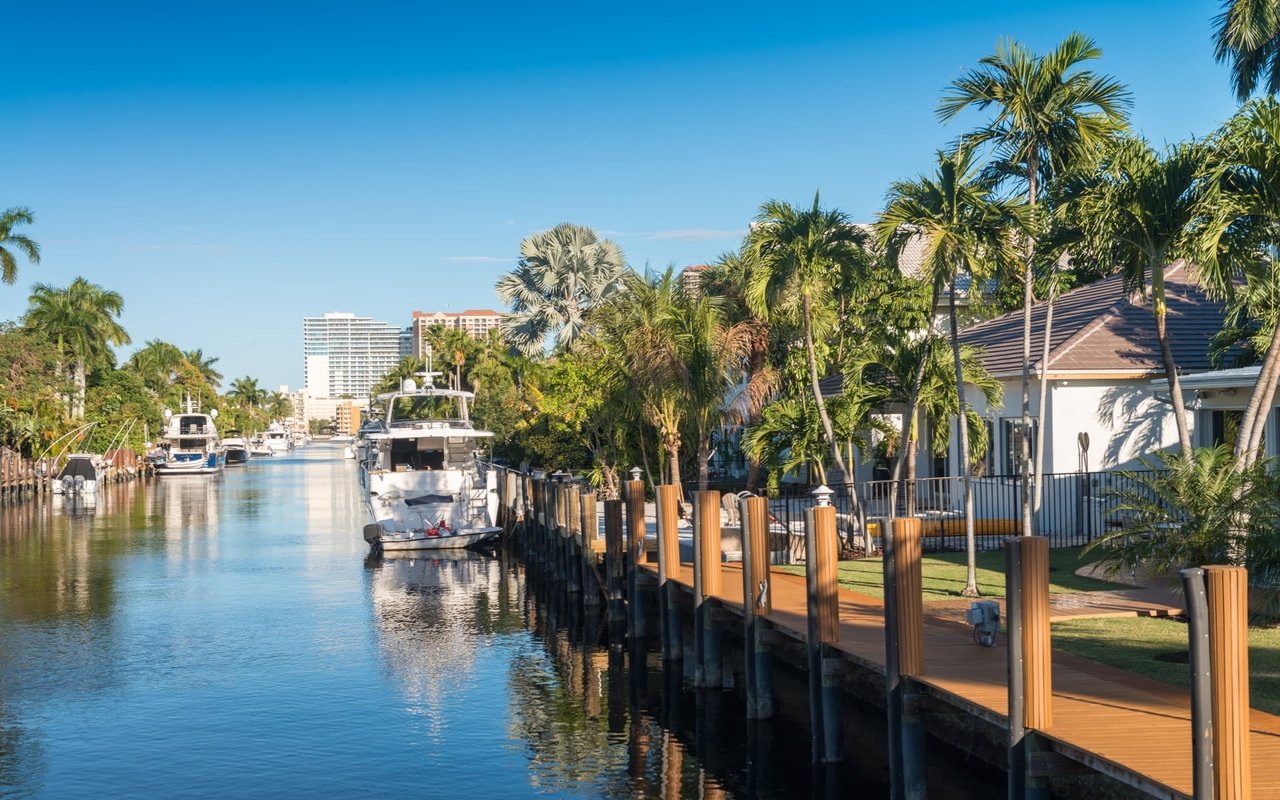
If beachside is the sand-first option, the Intracoastal side is usually the boating-first option. This side of Lauderdale-by-the-Sea includes a wider mix of property types, including fee-simple single-family homes, townhomes, villas, and waterfront communities with shared amenities.
Recent local listings show what buyers often expect here: private docks, boat lifts, private pools, garages, and direct water frontage. Some communities also offer shared boat docks, clubhouses, pools, and even private beach access, which creates a hybrid option for buyers who want more than one waterfront benefit.
For many full-time owners, the Intracoastal side can feel more residential in day-to-day use. You may have more privacy, more storage, and a setup that better supports boating equipment, multiple vehicles, or a more traditional single-family lifestyle.
What Intracoastal living feels like
Intracoastal ownership is often about convenience on the water. If your ideal morning starts with stepping out to a dock instead of crossing to the beach, this side of town may feel more natural.
That said, it is not maintenance-free. The town has specific forms and permitting related to docks and boat lifts, and local code references show that docks, seawalls, and adjacent decks are regulated improvements. In practical terms, buyers should treat marine infrastructure as a major part of the purchase decision.
Common Intracoastal property types
On the Intracoastal side, you may encounter:
- Fee-simple single-family waterfront homes
- Larger waterfront lots
- Townhomes and villas
- Condo or co-op communities with shared docks
- Waterfront communities with clubhouses, pools, or private beach access
This side of the market offers more variety in ownership style. Some properties give you direct control over the dock and seawall, while others place those elements within an association structure.
Flood zones matter on both sides
One of the biggest misconceptions in coastal home shopping is that only the beach side needs flood diligence. In Lauderdale-by-the-Sea, the town states that properties east of the Coastal Construction Line, generally the east side of El Mar Drive, are in Special Flood Hazard areas. It also states that homes on or near the Intracoastal Waterway or connecting canals are in Special Flood Hazard areas.
That means flood review is important whether you are considering a condo near the sand or a home with a dock on the west side. The town participates in the National Flood Insurance Program, so flood insurance is available for homes, condos, apartments, and commercial structures in town.
For buyers, this is less about avoiding one side altogether and more about comparing each property carefully. You will want to understand flood zone status, elevation, insurance implications, and how the specific building or home has been maintained over time.
Condo questions vs dock questions
The real comparison often comes down to what kind of due diligence you are willing to manage.
If you are leaning beachside, condo review should move to the top of your list. Florida law treats milestone inspections and structural integrity reserve studies as separate obligations for qualifying condo and co-op buildings, and local enforcement agencies can require milestone inspections at 25 years in salt-water areas. Those condo-specific rules do not apply to single-family, two-family, or three-family dwellings with three or fewer habitable stories above ground.
If you are leaning Intracoastal, the questions shift. Instead of focusing primarily on association budgets and shared amenities, you may need to verify dock rights, seawall condition, boat-lift permissions, flood exposure, and whether the property is fee-simple or part of an association-run waterfront community.
Which lifestyle usually fits best?
There is no universal winner in Lauderdale-by-the-Sea. The better choice depends on how you define convenience, privacy, and waterfront use.
Beachside may fit you better if you want:
- Walkable access to the beach
- A seasonal or second-home setup
- A lower-maintenance ownership style
- Shared amenities such as pools, gyms, or concierge-style services
- Less day-to-day concern about yard, dock, or seawall upkeep
Intracoastal may fit you better if you want:
- Direct boating convenience
- More privacy and storage
- A single-family feel or fee-simple ownership
- Space for vehicles, equipment, or marine gear
- A property that supports full-time waterfront living
Hybrid communities may be worth a look if you want:
- Some form of dock or marina access
- Beach access in the same community
- Clubhouse-style amenities
- A middle ground between boating and beach living
These hybrid options can be especially attractive if your household does not agree on just one waterfront priority.
A quick side-by-side comparison
| Feature | Beachside | Intracoastal |
|---|---|---|
| Typical focus | Sand and walkability | Boating and dock access |
| Common property types | Condos and boutique buildings | Single-family homes, townhomes, villas, some condos |
| Ownership style | Often lock-and-leave | Often more hands-on |
| Maintenance profile | More shared through associations | More property-specific, especially with docks and seawalls |
| Best for | Seasonal buyers and low-maintenance living | Boaters and buyers wanting more privacy |
| Key due diligence | HOA, reserves, inspections, parking | Dock rights, seawall, lift permissions, flood zone |
The bottom line on Lauderdale-by-the-Sea waterfront living
In Lauderdale-by-the-Sea, your choice is usually not just ocean versus waterway. It is beach-oriented living versus boating-oriented living, with a small set of communities that blend both. That is why the smartest buyers start with lifestyle and logistics, then narrow the search by property type, maintenance tolerance, and waterfront priorities.
If you want help comparing luxury condos, waterfront homes, or hybrid communities in and around Lauderdale-by-the-Sea, schedule a confidential consultation with Austin Bergman.
FAQs
What is the main difference between beachside and Intracoastal homes in Lauderdale-by-the-Sea?
- Beachside homes usually prioritize direct access to the sand, while Intracoastal homes usually prioritize boating access, docks, and a more residential waterfront setup.
Are most beachside properties in Lauderdale-by-the-Sea condos?
- Yes. Broward County Property Appraiser data for 2025 shows a condo-heavy townwide inventory, with 4,304 condo parcels compared with 947 single-family parcels.
Are Intracoastal homes in Lauderdale-by-the-Sea only single-family houses?
- No. The Intracoastal side includes single-family homes, townhomes, villas, and some association-run waterfront communities with shared docks and amenities.
Do both sides of Lauderdale-by-the-Sea have flood considerations?
- Yes. The town states that properties east of the Coastal Construction Line and homes on or near the Intracoastal Waterway or connecting canals are in Special Flood Hazard areas.
What should condo buyers in Lauderdale-by-the-Sea review before buying beachside?
- Condo buyers should review the association’s financial health, parking, amenities, and whether the building is subject to milestone inspection and structural integrity reserve study requirements.
What should buyers verify before purchasing an Intracoastal property in Lauderdale-by-the-Sea?
- Buyers should verify dock rights, boat-lift permissions, seawall condition, flood zone status, and whether the property is fee-simple or part of an association-run community.